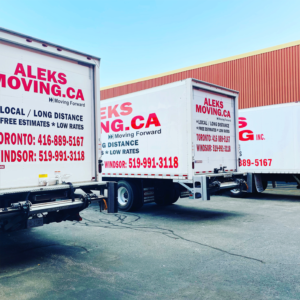

Sorting through moving quotes in Ontario can feel like a maze, especially when you want to avoid extra fees and unreliable companies. The real challenge starts before you even pick up the phone—knowing exactly what you need and what you can realistically afford. By focusing on transparent pricing and dependable service, you gain peace of mind and set yourself up for a smooth move without financial surprises. This guide shows you how to plan smart and choose trustworthy movers every step of the way.
Table of Contents
- Step 1: Assess Your Moving Needs And Budget
- Step 2: Research Reputable Moving Companies In Your Area
- Step 3: Compare Pricing And Services For Transparency
- Step 4: Verify Company Credentials And Reviews
- Step 5: Select The Best Moving Company For Your Move
Quick Summary
| Key Point | Explanation |
|---|---|
| 1. Assess moving needs and budget | Clearly outline what you’re moving and set a realistic budget to avoid surprises during the process. |
| 2. Research local movers thoroughly | Verify licenses, read customer reviews, and seek recommendations to find trustworthy moving companies. |
| 3. Compare pricing transparently | When reviewing quotes, look for the details of services offered to ensure you’re making an informed choice. |
| 4. Verify credentials and reviews | Check the company’s registration, BBB rating, and customer feedback to identify reliable movers. |
| 5. Request a written contract | Ensure all services and costs are documented before signing to prevent misunderstandings on moving day. |
Step 1: Assess your moving needs and budget
Before you start calling moving companies, you need a clear picture of what you’re actually moving and how much you can spend. This step prevents surprises later and helps you compare quotes fairly.
Start by identifying your move type. Are you relocating across Toronto, or heading to another province? Local moves typically cost less than long-distance ones. The distance directly affects pricing, so knowing this upfront matters.
Next, inventory what you own. Walk through your home and note the major items: furniture, appliances, boxes of books, storage units. You don’t need exact counts yet, just a sense of volume. Are you moving a studio’s worth of stuff or a five-bedroom house? This determines truck size and labour hours.
Consider these key factors:
- How many rooms are you moving?
- Do you have fragile items like artwork or antiques?
- Will you need packing services, or are you handling that yourself?
- Do you require storage during your move?
- Are there stairs, tight hallways, or difficult access at either location?
Now for the budget piece. Review your current finances and decide what moving costs fit without straining your account. Proper budgeting strategies stress the importance of allocating funds thoughtfully across all major expenses, including relocations. Set a realistic range—not a hard ceiling, but a target you’re comfortable with.
To help you clarify your moving requirements, here’s a summary of move types and their typical cost and complexity impact:
| Move Type | Common Cost Impact | Typical Complexity |
|---|---|---|
| Local (within city) | Lower; hourly or flat fee | Few logistics; quick setup |
| Interprovincial | Higher; long-distance fees | More logistics; longer planning |
| Long-distance | Highest; volume-based charges | Complex; insurance recommended |
Reviewing the main factors affecting your move ensures you allocate your budget sensibly.
Understanding different types of moving services available helps you decide what services suit your needs and budget. Full-service moves cost more than labour-only options, but save you time and stress.
Here’s a breakdown of common moving service models and their pros and cons in Canada:
| Service Model | What’s Included | Main Benefit | Potential Drawback |
|---|---|---|---|
| Full-service | Packing, loading, transport | Saves time and effort | Most expensive option |
| Labour-only | Loading and unloading | Lowest cost option | You manage packing/tasks |
| Packing services | Packing of items only | Protects valuables | May not include transport |
| Storage-included | Storage plus moving | Flexible for timing | Added monthly charges |
This helps clarify which services match your needs and budget.
Knowing your move details and budget upfront eliminates confusion when comparing quotes from different companies.
Once you’ve assessed your needs and set your budget, you’re ready to research moving companies and request quotes.
Pro tip: Write down your inventory and budget range on paper or your phone before contacting movers—this keeps you consistent when discussing details and prevents accidentally overcommitting financially.
Step 2: Research reputable moving companies in your area
Now that you know what you’re moving and your budget, it’s time to find trustworthy moving companies. Not all movers are created equal, and doing this research upfront saves you headaches down the road.
Start by gathering names of local movers. Ask friends, family, and neighbours for recommendations. Check online reviews on Google, Trustpilot, and the Better Business Bureau. Look for patterns in feedback—do customers mention professionalism, reliability, and fair pricing?
Verify credentials before narrowing your list. Legitimate moving companies should be licensed and insured. Check that they hold valid provincial permits and verify licensing status with regulatory bodies. Avoid companies that seem evasive about their credentials.
Here’s what to evaluate for each company:
- Customer reviews and ratings across multiple platforms
- Years in business and industry experience
- Whether they specialise in residential moves
- Availability for your moving date
- Response time to inquiries
Once you’ve identified three to five promising candidates, contact each one. Ask about their process, what’s included in their quote, and whether they offer free, in-home estimates. Be wary of movers who quote prices over the phone without seeing your belongings—this often leads to surprise costs later.
Request written quotes from at least three companies. Compare what’s included: packing supplies, labour, equipment rental, insurance coverage. Make sure you’re comparing apples to apples. A company offering the lowest price might cut corners on care or skip important services.
Red flags include pressure to pay large deposits upfront, vague pricing, and reluctance to provide references or written estimates.
Budget time for a brief conversation with each mover. Their responsiveness and professionalism during these early interactions reflect how they’ll handle your actual move.
Pro tip: Ask each company for three recent customer references and actually call them—five minutes on the phone with past clients reveals far more than online reviews alone.
Step 3: Compare pricing and services for transparency
You’ve gathered quotes from multiple movers. Now comes the critical part: comparing them fairly so you can spot real value versus hidden costs. Transparent pricing is your best protection against moving day surprises.
Lay out all your written quotes side by side. Look beyond the total price and examine what’s actually included. Does one company charge for packing materials while another includes them? Are labour hours calculated differently? Does insurance coverage vary between estimates?
Watch for these pricing red flags:
- Estimates based on phone conversations without in-home inspections
- Charges by cubic footage instead of actual weight
- Vague line items like “miscellaneous fees”
- Significantly lower prices than competitors (often signals corner-cutting)
- Pressure to pay large deposits before the move date
Create a simple comparison chart listing each company, their total quote, and what’s included. Look at the details: Do they offer packing supplies? Will they disassemble and reassemble furniture? What about boxes, tape, and wrapping materials? Transparent relocation cost estimates help you identify which companies charge fairly and which use hidden fees.
Pay special attention to service inclusions. A lower quote might exclude packing, leaving you to handle that yourself—adding stress and time. A higher quote might include everything, saving you labour and hassle. Choose based on what actually matters to your move.
Don’t just pick the cheapest option. The company that communicates clearly, provides detailed estimates, and stands behind their pricing typically delivers better service. Ask each mover about their cancellation policy, what happens if items get damaged, and whether they offer any guarantees.
Comparing quotes isn’t just about finding the lowest number—it’s about finding the best value for your specific moving needs.
Pro tip: Request itemised quotes that break down labour costs, materials, equipment rental, and any add-on services separately—this makes true price comparison straightforward and reveals where real savings actually exist.
Step 4: Verify company credentials and reviews
Before signing anything, dig into a moving company’s background. Credentials and reviews reveal whether a company operates legitimately and treats customers fairly. This step takes time but prevents costly mistakes.
Start by checking official registrations. In Canada, moving companies should be registered with provincial transportation authorities. Ask the company for their licence number and verify it independently. Legitimate movers display this information proudly and have nothing to hide.
Search for the company on the Better Business Bureau website. Look at their rating, how long they’ve been accredited, and what types of complaints customers have filed. Pay attention to how the company responded to negative feedback. A professional response shows they care about customer satisfaction.
Use these verification steps:
- Visit the BBB website and check the company’s rating and complaint history
- Search Google Reviews, Trustpilot, and industry-specific moving sites
- Look for patterns in reviews rather than focusing on single complaints
- Verify provincial moving company licensing and credentials
- Call the company’s listed phone number to confirm it’s active and staffed
Read online reviews carefully. One negative review among dozens of positive ones is normal, but multiple complaints about the same issue (damaged goods, missed appointments, hidden fees) signal real problems. Checking company registration and reviews helps you identify movers with solid track records and professional standards.
Ask the company for references from recent clients. Contact at least two or three and ask specific questions: Did they arrive on time? Were items handled carefully? Were there surprise charges? How would they rate the company’s professionalism?
A company with strong credentials, positive reviews, and willing references is far more likely to deliver the stress-free move you’re paying for.
Pro tip: Check reviews from clients in your specific region or with similar move types—a company that excels at long-distance relocations might struggle with local apartment moves, so relevance matters.
Step 5: Select the best moving company for your move
You’ve done the research, compared quotes, and verified credentials. Now it’s time to make your decision and book with confidence. This final step brings everything together.
Review your notes from all previous steps. Which company showed clear communication throughout the quoting process? Which one answered your questions thoroughly and didn’t pressure you into quick decisions? The company that feels most responsive and professional now will likely deliver the same service on moving day.
Consider these final factors:
- Overall professionalism and responsiveness during consultations
- Transparency about pricing with no hidden surprises
- Positive reviews and verified credentials
- Insurance coverage that protects your belongings
- Availability for your preferred moving date
- Willingness to provide written contracts and guarantees
Narrow your choice to your top two candidates. Call each one more time and ask any remaining questions. Trust your gut about which company feels most dependable. Choosing a reliable moving company involves weighing credentials, pricing, and reputation to select the mover best suited to your specific needs.
Once you’ve decided, request a written contract that details every service, cost, and date. Read it carefully before signing. Make sure insurance coverage, cancellation policies, and liability for damages are clearly stated.
Save all documentation: the contract, your quote, email confirmations, and the moving company’s contact information. Keep these accessible as your move date approaches. You’ll reference them if any questions arise.
The best moving company is the one you’ve thoroughly vetted, that communicates clearly, and whose written agreement matches what you discussed.
Pro tip: Schedule your move at least two to four weeks in advance and confirm all details in writing one week before—this prevents last-minute chaos and gives the company time to prepare properly for your relocation.
Choose Aleks Moving for a Truly Stress-Free Relocation Experience
Moving can feel overwhelming when you face uncertain pricing, unverified company credentials, and unclear service inclusions. This article highlights these common challenges and shows how careful budgeting and transparent quote comparisons protect you from hidden fees and last-minute surprises. At Aleks Moving, we understand these concerns deeply. With over 18 years of experience serving Canadian homeowners and businesses, we offer flat-rate pricing with no hidden fees combined with clear, detailed quotes so you know exactly what to expect.
Ready to take the stress out of your next move? Visit Aleks Moving for expert moving services tailored to your specific needs, whether local, long-distance, or specialty moves. You can easily request your free, no-obligation quote online or contact us for personalized support. Discover how our professionalism and dedication have earned positive reviews and satisfied clients across Ontario and beyond. Don’t wait until moving day chaos arrives. Get your transparent estimate today and rest easy knowing reliable movers are on your side at every step.
Explore more about our packing services and specialty moves to simplify your transition. Start your seamless relocation journey now with Aleks Moving and experience the difference of trusted Canadian expertise.
Frequently Asked Questions
How do I assess my moving needs before choosing a moving company?
To assess your moving needs, begin by identifying the type of move—whether local or long-distance—and inventory your belongings. Make a rough list of major items and consider any special requirements, like packing services or storage, to guide your budget and the services you need.
What should I look for when researching moving companies?
When researching moving companies, focus on customer reviews, years in business, and whether they are licensed and insured. Checking multiple sources for reviews can help you identify reliable movers and avoid companies with poor service histories.
How can I compare moving quotes effectively?
To compare moving quotes effectively, create a chart that lists each company’s total price alongside the specific services included in their quote. This way, you can easily identify any hidden costs, such as charges for packing materials or labour, and make a more informed decision based on value rather than just price.
What credentials should I verify before selecting a moving company?
Before selecting a moving company, verify that they are registered with provincial transportation authorities and check their rating on the Better Business Bureau. Ensuring they have the proper credentials and a history of positive customer feedback can prevent potential issues during your move.
How do I ensure a moving company is reliable?
To ensure a moving company is reliable, look for clear communication throughout the quote process and request references from past clients. Contact these references to inquire about their experiences, such as timeliness and handling of items, to gain confidence in your choice before making a decision.
What should be included in the written contract with a moving company?
The written contract with a moving company should include all services provided, the total cost, insurance coverage details, and cancellation policies. Review this document carefully to confirm it aligns with your original discussions and expectations before signing.