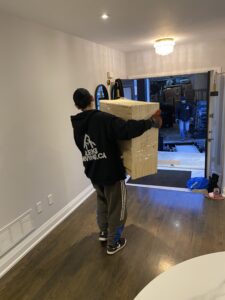

Do Movers Move Appliances Like Fridges and Washers? Here’s the Truth
If you are getting ready to move, you might be wondering, Do Movers Move Appliances? It is a common question, especially if you have large, heavy items like a fridge, stove, washer, or dryer. Moving appliances is not quite the same as moving boxes or small furniture. They are bulky, awkward to lift, and often connected to water, gas, or electrical lines. Because of this, many people feel unsure about whether movers will handle them.
The good news is that most professional moving companies, including Aleks Moving, can move appliances safely and efficiently. However, there are a few things you need to know to prepare for moving day. In this guide, we will explain which appliances movers usually move, what they require from you before moving them, and how to make sure everything arrives in perfect condition.
Why Moving Appliances Is Different From Moving Boxes
Appliances are some of the most complicated items to move. They require more strength, more care, and sometimes special preparation. Here is why they are different:
- They are extremely heavy and can cause injuries if lifted incorrectly.
- Many appliances have fragile internal parts that can shift during transport.
- They often have water lines or gas connections that must be disconnected safely.
- Improper handling can damage floors, walls, and door frames.
Because of these challenges, appliances need extra attention before movers can load them onto the truck.
Do Movers Move Appliances?
Yes, movers do move appliances. In fact, professional movers handle most major household appliances on a regular basis. They have the equipment and experience needed to move large items safely and without damage.
However, movers usually require that appliances be prepared beforehand. This means you may need to:
- empty the appliance
- unplug it
- disconnect water or gas lines
- clean it
- defrost it
- secure loose shelves or drawers
Once your appliances are ready, movers can load them onto the truck using the right tools and secure them properly for transport.
Which Appliances Movers Commonly Move
Most moving companies can move all major home appliances as long as they are disconnected and prepared properly.
Here is a breakdown of the most common appliances movers handle.
1. Refrigerators
Movers can move fridges of all sizes, from standard two-door models to large stainless steel units. Before moving day, you will need to:
- Empty the fridge completely
- Unplug it at least 24 hours before
- Remove all food
- Allow it to defrost
- Wipe it dry to prevent mold
- Secure or remove shelves
A fridge must be fully dry before transport, or moisture can leak during the move.
2. Freezers
Chest freezers and upright freezers can also be moved. Similar to a fridge, they must be:
- emptied
- unplugged
- thawed
- dried thoroughly
Keeping the door slightly open overnight helps reduce odors.
3. Washing Machines
Movers can move washing machines, but the hoses and water lines must be disconnected first. It is also a good idea to:
- clean inside the drum
- let the machine dry
- secure the drum if your model requires it
If you do not secure the drum, it may move during the ride and become damaged.
4. Dryers
Electric dryers are easy for movers to transport. Gas dryers can also be moved, but the gas line must be disconnected by a licensed technician before the movers arrive.
Make sure to:
- unplug the dryer
- clean out the lint trap
- disconnect the vent hose
5. Stoves and Ovens
Electric stoves can be moved once they are unplugged. Gas stoves, however, require a certified technician to disconnect the gas line safely.
Before movers arrive, make sure the stove is:
- clean
- free of oven racks or secure them
- completely cool
6. Dishwashers
Dishwashers can be moved, but only after they have been disconnected from the water line and removed from under the counter. Some dishwashers require a technician for this step. Once disconnected, movers can handle the transport.
7. Small Appliances
Items like microwaves, coffee makers, toasters, and air fryers should be packed in boxes rather than moved loose.
Appliances Movers Usually Do Not Disconnect
Movers typically do not handle the following tasks:
- disconnecting gas lines
- removing hardwired electrical connections
- detaching built-in appliances
- disconnecting water lines
- shutting off plumbing
These tasks require either a plumber, an electrician, or a gas technician to ensure everything is safe.
Movers step in once your appliances are fully disconnected and ready to be carried.
How to Prepare Appliances Before the Movers Arrive
Here is a simple, clear checklist you can follow to make moving day smoother.
1. Refrigerator
- Unplug 24 hours before your move
- Remove all food
- Defrost completely
- Clean and dry the interior
- Remove or secure shelves
- Tape the door shut
2. Washer and Dryer
- Unplug both appliances
- Disconnect water hoses
- Drain any remaining water
- Clean inside the washer drum
- Secure the washer drum if possible
- Disconnect the dryer vent hose
3. Stove
- Unplug an electric stove
- Have a technician disconnect a gas stove
- Clean inside and out
- Remove or secure racks and knobs
4. Dishwasher
- Disconnect the water line
- Drain water from the hose
- Leave the door open overnight to dry
5. Freezer
- Unplug
- Defrost
- Wipe dry
- Tape the door shut
These steps help your movers transport appliances safely and protect your home from leaks or damage.
How Movers Transport Appliances Safely
Professional movers use the right tools and the right techniques to move large appliances.
Here is how they do it:
1. Using proper equipment
Movers use dollies, straps, sliders, and padded blankets to move heavy appliances without causing damage.
2. Securing appliances inside the truck
Appliances are strapped to the side of the truck and padded to prevent shifting.
3. Protecting floors and walls
Movers place protective coverings to avoid scratches or dents while moving large items.
4. Team lifting for heavy items
Instead of lifting alone, movers work as a team to safely move appliances through tight spaces or down stairs.
Common Mistakes to Avoid When Moving Appliances
Avoid these mistakes to keep your appliances in great shape:
- Leaving food in the fridge
- Forgetting to defrost
- Not drying the inside
- Leaving shelves loose
- Packing items inside the appliance
- Trying to move appliances alone
- Not measuring doorways beforehand
A little preparation makes the entire process easier and safer.
Benefits of Hiring Professional Movers for Appliances
Hiring a professional moving team like Aleks Moving makes a big difference. Here is why:
- Safer lifting techniques
- Reduced risk of floor or wall damage
- Proper truck loading
- Faster moving day
- Less stress
- Proper moving equipment
- More time to focus on other tasks
Movers know how to navigate stairs, narrow hallways, and tight door frames with large appliances.
When You Should Replace Appliances Instead of Moving Them
Sometimes it may make more sense to replace an appliance rather than move it.
Consider replacing an appliance if:
- it is old or inefficient
- it has frequent problems
- it costs more to move than to replace
- you want a modern upgrade in your new home
Thinking about this ahead of time can save money and effort.
Final Thoughts
So, do movers move appliances? Yes, they do. Professional movers can safely move refrigerators, washers, dryers, stoves, dishwashers, and more. The key is preparing your appliances properly before moving day. With the right steps, your appliances can be moved without damage and set up smoothly in your new home.
If you need help moving appliances or planning a full home move, Aleks Moving is here for you. Our Etobicoke Moving team handles heavy items with care and ensures your move is smooth from start to finish. Get a quote today and let Aleks Moving make your relocation stress-free.
Follow our social media pages below:
Find out more articles that can help you below: