Skip to content


Summer movers in Canada typically charge noticeably more than off-season rates, with weekend bookings adding an additional premium. A local move usually costs several hundred to a low thousands of dollars depending on home size, while a cross-country move can range widely depending on weight and distance. Local moves are billed hourly; long-distance moves are priced by weight, distance, or a flat quote.
TL;DR:
- Local moves under 50 kilometers typically cost between $450 and $1,200 depending on home size, with hourly rates and additional charges for stairs or parking.
- Long-distance moves above 500 kilometers can range from $2,500 to over $14,000 based on weight, distance, and stops, with flat-rate quotes common for cross-province or cross-country jobs.
- Booking in midweek, early June, or outside peak holiday periods can significantly reduce summer moving costs, while adding services like packing or storage increases the total.
- Transparent flat-rate estimates with detailed inventories and clearly defined inclusions protect against surprise fees in peak season demand.
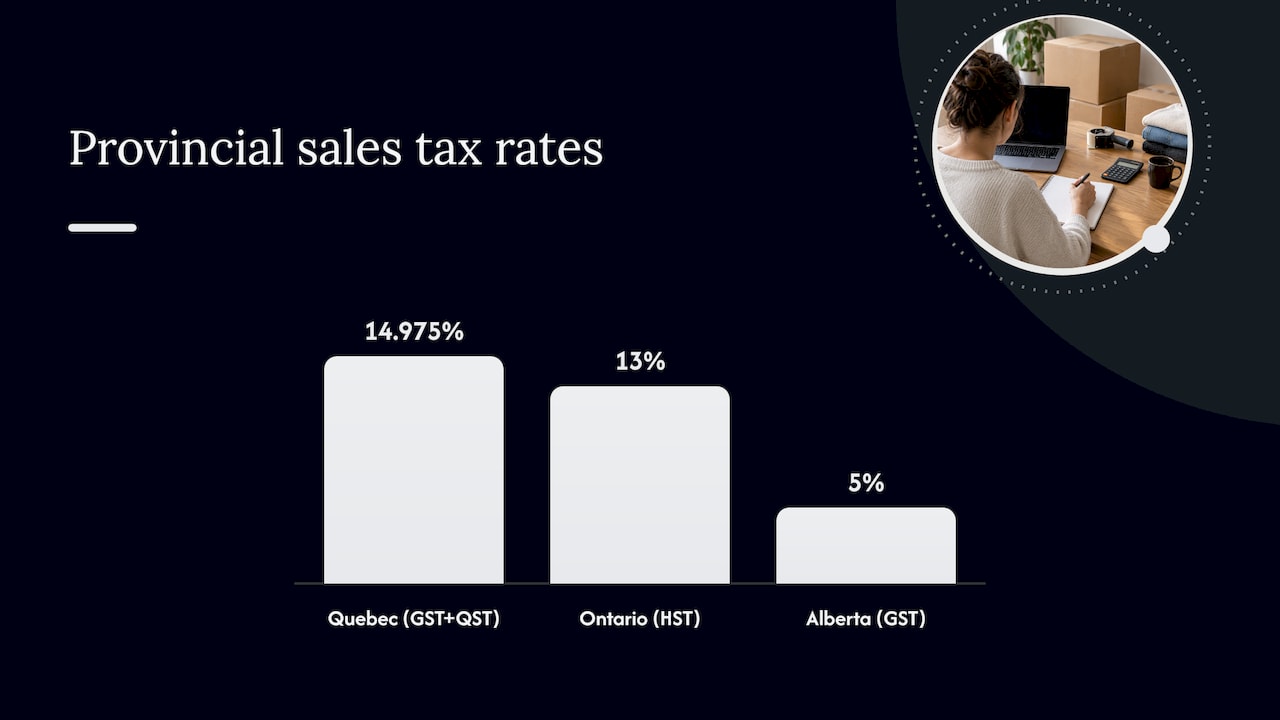
- Tax rates vary by province, with Ontario applying 13% HST and Quebec combining GST at 5% with QST at 9.975%, affecting final costs.
Table of Contents
- Summer price benchmarks and example budgets
- What actually drives the cost of your summer move
- How to estimate your own summer move accurately
- How to save on moving costs this summer
- Tax rules and consumer protection for your move
- Why flat-rate quoting matters more in peak season
- When paying the summer premium is actually worth it
- Get a written flat-rate quote for your summer move
- FAQ
- Sources
Summer price benchmarks and example budgets
Knowing where your move fits on the price scale starts with matching your home size to typical hourly or flat rates. Local moves (generally under 50 kilometres) are billed by the hour, usually for a two-person crew and a truck. Long-distance moves cross into flat-rate or weight-and-distance pricing once you’re travelling 500 kilometres or more.
For local moves, here’s what Canadian households commonly see:
- A studio or one-bedroom apartment typically totals around $450 to $650 for a straightforward midweek move.
- A two-bedroom home usually falls between $520 and $1,200, depending on stairs, parking, and inventory size.
- A three-bedroom home often lands between $900 and $1,500 with a standard two to three person crew.
- A four-bedroom or larger home frequently runs $1,800 or more once you add a larger crew and extra truck time.
Cross-province and cross-country moves follow a different math. An Ontario to Quebec move for a two-bedroom household might budget $2,500 to $4,500, while a full Ontario to British Columbia household move can stretch from $4,000 to $14,000 or beyond depending on weight and the number of stops along the route.
A midweek move booked in early June can cost noticeably less than the same move scheduled for a July Saturday, purely because of calendar demand rather than anything about the job itself.
A few add-ons show up consistently once summer booking season hits full swing. Full packing service can add anywhere from $400 to $1,800 depending on home size, and specialty items like pianos, antiques, or artwork usually carry their own line item. Storage, if your closing dates don’t align, adds a separate monthly cost on top of the move itself. Provincial sales tax also changes your bottom line: Ontario applies HST at 13%, Quebec combines GST at 5% with QST at 9.975%, and Alberta charges GST only at 5%, so the same quote can finish at different totals depending on where the service is performed.
What actually drives the cost of your summer move
Some cost drivers are fixed no matter when you move. Others shift heavily with the calendar, and knowing which is which helps you figure out where you actually have leverage.
The fixed drivers include:
- Distance and total weight of your household goods, since long-distance pricing is built around both.
- Home size and inventory detail, because more rooms and more boxes mean more labour hours.
- Truck access, including stairs, elevators, and parking distance from the door to the truck.
- Crew size and hourly labour rates, which scale with how much needs to move and how fast.
- Fuel and toll costs on longer routes, baked into flat-rate and weight-based quotes alike.
The calendar-driven drivers include the date, the day of the week, and the time slot you book, along with whether you need packing, storage, or specialty handling layered on top. Urban buildings add their own wrinkle: condo elevator booking windows and restricted street parking in cities like Toronto or Vancouver routinely stretch out labour time, since the crew spends part of the job waiting rather than carrying. That waiting time gets billed just like active moving time on an hourly job.
If you want to avoid a surprise line item on moving day, flag anything unusual in your inventory before you get a quote rather than after. A piano, a wall safe, an oversized sectional, or a collection of framed art should all be mentioned up front, since these are exactly the items that trigger add-on fees when a crew discovers them on arrival instead of on paper.
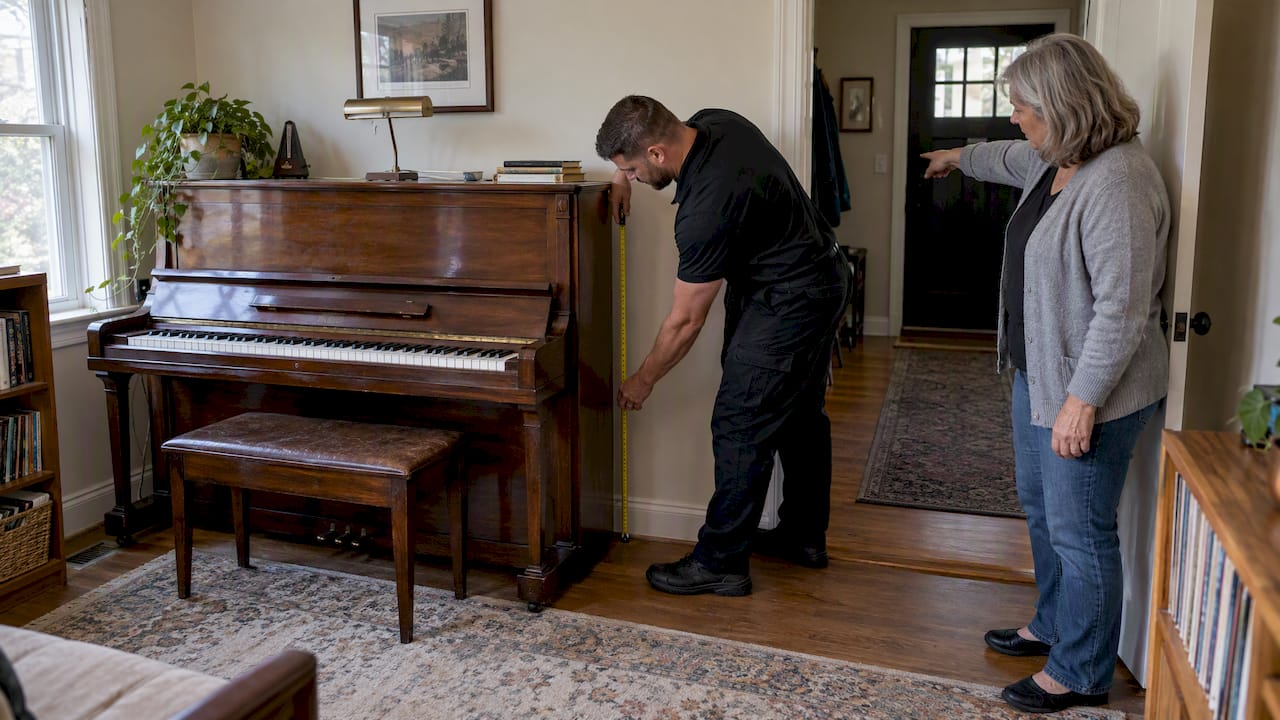
Pro Tip: Walk through every room with your inventory list in hand before the estimate call. What you forget to mention becomes what you pay extra for later.
How to estimate your own summer move accurately
Getting a number you can actually trust means understanding how you’ll be billed before you start comparing quotes. Local moves are almost always hourly: crew size times hourly rate times estimated hours, plus a truck fee. Long-distance moves are typically priced by weight and distance, or quoted as a flat rate once a company has seen your full inventory.
A reliable estimate follows a consistent process:
- Book an in-home or video walkthrough so the estimator sees your actual inventory, not a guess based on bedroom count.
- Provide an itemized inventory list, including anything oversized, fragile, or unusual.
- Request a written estimate that spells out exactly what’s included and what isn’t, such as packing materials, stairs fees, or storage.
- For long-distance moves, ask whether you have the right to a certified re-weigh at delivery if the final weight comes in higher than expected.
- Confirm the delivery window, especially for consolidated cross-country shipments where your goods may share a truck with other customers.
When you’re comparing quotes from more than one mover, normalize them before judging by price alone:
- Confirm each quote covers the same inventory and the same add-ons, like packing or bin rental.
- Check whether tax is included in the quoted number or added afterward.
- Ask whether the price is hourly, flat, or weight-based, since these aren’t directly comparable without converting to the same basis.
As a worked example, say a two-bedroom household is moving from Ottawa to Montreal, roughly 200 kilometres. A flat-rate quote might come in around $3,200 before tax. If the household adds a full packing service at $600, the subtotal becomes $3,800, and the final total with tax lands near $4,369.
How to save on moving costs this summer
Peak season doesn’t have to mean peak price if you’re flexible on a few details. The single biggest lever is timing: booking early, choosing a mid-week date, and avoiding long weekends and month-end dates (when leases typically turn over) can meaningfully soften the summer surcharge.
Shipping lighter is the second lever. Selling or donating furniture you don’t need, couriering small valuables separately instead of paying movers to handle them, and considering a hybrid option like a portable container for non-urgent items can all shrink your final bill. Our guide on cheap ways to move across Canada walks through several of these tactics in more detail.
Each approach to moving carries its own trade-off in peak season:
- DIY truck rental is cheapest upfront but demands your own labour and time, which gets harder in summer heat and tight schedules.
- Portable containers split the difference, letting you pack on your own time while a company handles transport.
- Full-service movers cost more but remove the physical labour and scheduling risk entirely, which matters more when demand is high and crews are booked solid.
Bundling services tends to beat booking them separately. Combining packing, storage, and even bin rental for staging under one written flat-rate quote usually costs less than arranging each piece with a different provider, and it gives you one point of contact if something needs adjusting. Our breakdown of how to move cheaply in Canada covers more of these bundling strategies.
Pro Tip: If you’re moving cross-country, accepting a wider delivery window for a consolidated shipment can cut your cost noticeably, since the mover fills the truck with other customers’ goods instead of running a dedicated trip.
Tax rules and consumer protection for your move
Two sets of rules matter here: what the Canada Revenue Agency lets you deduct, and what provincial law requires from a mover’s estimate.
If you’re moving for work or full-time study, you may be able to deduct eligible moving expenses under line 21900 of your tax return. The core eligibility test is the 40 kilometre rule: your new home must be at least 40 kilometres closer to your new workplace or school than your old home was. Eligible costs include transportation, packing, and storage, and you’ll generally need to complete Form T1-M and keep your receipts to support the claim.
Sales tax also affects your final bill in ways that vary by province. Moving services are taxed at the rate where the service is performed, so an Ontario move carries HST at 13%, while a Quebec move combines GST and QST for a total of 14.975%.
On the consumer protection side, Ontario sets a clear limit on how far a final bill can exceed a written estimate. Under Ontario’s consumer protection rules, a supplier generally cannot charge more than 10% above a provided estimate. If a mover tries to exceed that cap, you may be entitled to have the job completed at the original estimated price, and you can pursue a remedy through small claims court if needed.
To protect yourself, keep a simple paper trail:
- Your itemized inventory list.
- The written estimate, ideally following an in-home or video survey.
- The bill of lading, especially for long-distance moves.
- Every receipt, email, and text exchanged with the mover.
That documentation is exactly what you’d need both for a CRA claim and for a consumer protection dispute, so there’s no reason not to keep it organized from day one.
Why flat-rate quoting matters more in peak season
Summer is consistently where surprise fees creep in if a quote wasn’t nailed down properly. Flat-rate pricing with no hidden fees means the number you agree to before moving day is the number you pay, regardless of how long the crew spends navigating a condo elevator or a tricky parking situation.
That flat-rate approach, paired with a documented inventory from the start, removes most of the guesswork that drives summer cost overruns. Packing, bin rental, and storage are available as add-ons you can bundle into one quote rather than coordinating separately, along with careful handling for antiques and art. If you want a written flat-rate number before you commit to a date, request an in-home or video walkthrough and ask the company to confirm exactly what’s included.
When paying the summer premium is actually worth it
Here’s our honest take: paying the summer premium makes sense when your move date is tied to something fixed, like a lease end date, a closing date, or a job start date. Families with school schedules and anyone juggling a hard closing date usually come out ahead by locking in a reliable mover early rather than chasing a cheaper date that risks falling through.
Flexible professionals and students without a fixed deadline have the most room to save. If you can shift your move to a mid-week date in a non-peak week, you’ll see a real difference in price without sacrificing reliability.
Whichever camp you fall into, the best defence against summer volatility is the same: book early, get everything in writing, and keep your documentation organized.
— Ali
Get a written flat-rate quote for your summer move
If you’re planning a summer move and want a number you can actually count on, we offer residential moving services for local and long-distance relocations across Ontario and beyond, built around flat-rate pricing with no hidden fees. For moves crossing provincial lines, our long-distance moving service follows the same written, itemized approach, so you know your total before moving day instead of after.

When you request your quote, ask for a few specific things to protect yourself during peak season:
- A written flat-rate quote following an in-home or video walkthrough.
- A clear list of what’s included, such as packing materials, stairs or elevator handling, and travel time.
- Confirmation of how sales tax applies to your total.
- Our cancellation and rescheduling policy, in case your closing date shifts.
If you need somewhere to stage belongings between a move-out and move-in date, our bin rental and storage service options can bridge the gap without forcing your whole move into a single day. Reach out for your free quote and lock in your summer date before peak weeks fill up.
FAQ
Is $100 each a good tip for movers?
There’s no fixed rule, and tipping is entirely optional in Canada, but many households tip in the range of $20 to $100 per mover depending on the size of the job and quality of service. For a detailed breakdown of when to tip more or less, see our guide on tipping movers in Canada.
What is the cheapest day to hire movers?
Mid-week days, particularly Tuesday through Thursday, are typically the cheapest days to book movers in Canada. Weekend bookings, especially Friday through Sunday, commonly carry a premium on top of the already higher summer rates.
Can you live on $3,000 a month in Canada?
Whether your monthly budget covers your living costs depends heavily on your city, housing situation, and household size, with costs varying widely across regions. It’s a reasonable starting budget in many smaller or mid-sized Canadian cities, but tight in major centres like Toronto or Vancouver once rent and moving costs are factored in.
What is the average cost to move a 3-bedroom house in Canada?
A three-bedroom home move within the same city typically falls between $900 and $1,500 for a standard local move with a two to three person crew. Long-distance moves for the same home size cost considerably more, often several thousand dollars depending on the route and total weight.