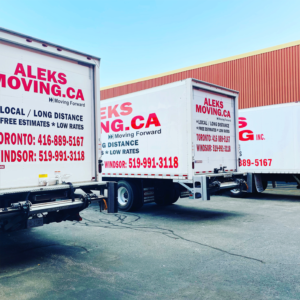

Local movers in Mississauga typically charge in the low to mid-hundreds per hour for a two-person crew and truck, with full moves landing anywhere from a few hundred dollars for a small condo to several thousand for a large house with packing. Before booking anyone, get at least three written, itemised estimates so you can compare like for like. Ontario also has consumer rules that shape your final bill, and knowing them protects you from surprise charges.
TL;DR:
- Most local moves in Mississauga cost a few hundred dollars for small condos and can reach several thousand for large house moves with packing included.
- Final costs vary significantly depending on crew size, truck capacity, access challenges, specialty items, and timing, with higher rates typically on weekends or peak demand periods.
- Always obtain at least three written, itemized estimates that specify crew details, hours, and scope to avoid hidden fees and compare accurately.
- Unclear contracts, pressure for extra payments, or lack of insurance verification are red flags that should be avoided when choosing a mover.
- Concrete examples show that factors like stairs, long carries, or specialty items can add hours and costs, making detailed upfront assessment essential.
Table of Contents
- 1. Typical pricing in Mississauga: hourly rates and flat-rate bands
- 2. Cost drivers: detailed breakdown of the factors that change your quote
- 3. How to estimate your move with worked examples
- 4. How to get and compare written quotes, what must be in the contract, and red flags to avoid
- 5. Aleks Moving: what we offer and how our approach maps to the protections readers need
- 6. Practical lessons from handling Ontario moves
- 7. How to book Aleks Moving and get a transparent flat-rate quote for your Mississauga move
- Sources
- FAQ
1. Typical pricing in Mississauga: hourly rates and flat-rate bands
Most Mississauga moving companies price local jobs one of two ways: an hourly rate for the crew and truck, or a flat rate based on your home size and inventory. Hourly pricing tends to fall in the low-to-mid hundreds of dollars range for a standard two-mover crew with a truck, with each added mover raising the hourly total. Local market listings across the GTA show this pattern consistently, with rates for two movers and a truck often converting into flat totals between a few hundred dollars for a small condo move and several thousand for a large house move with packing and specialty items included.
Flat-rate quotes bundle the crew, truck, mileage within a set radius, and basic equipment into one number, which makes budgeting easier and avoids the anxiety of watching a clock. Here’s roughly what each home size tends to cover:
- Studio or one-bedroom condo: A smaller crew, a few hours of labour, and often a straightforward load given fewer stairs or long hallways.
- Two-bedroom apartment or townhouse: More furniture, more boxes, and usually a slightly larger crew or a longer booking window.
- Three-bedroom house: Full-day bookings are common, especially with basements, garages, or outdoor furniture involved.
- Four-bedroom or larger home: Multiple trucks or an extended crew are often necessary, particularly when packing services are added.
Rates for two movers and a truck across the GTA commonly sit in a range that converts into a few hundred dollars for small condo moves and several thousand for large house moves with packing, according to local market listings. That range is wide because it reflects everything from a single studio with minimal furniture to a five-bedroom house full of specialty items.
Timing also plays into your final number. Weekends, month-end dates, and the summer months tend to carry higher demand across the Greater Toronto Area, which can push rates toward the top of the local range. Booking mid-week or mid-month, when crews have more open availability, is one of the simplest ways to land closer to the bottom of that band. Condo moves carry their own quirks worth understanding in more depth, including elevator bookings and parking restrictions that shift condo pricing.
2. Cost drivers: detailed breakdown of the factors that change your quote
Two moves that look similar on paper can end up with very different bills. The gap usually comes down to a handful of specific factors, and understanding them helps you spot where a quote is fair and where it might be padded.
- Crew size: More movers finish faster but cost more per hour, so a mover should convert your inventory (roughly how many rooms, large items, and boxes) into an estimated hour figure rather than guessing.
- Truck size and trips: A truck that’s too small for your inventory means a second trip, which adds hours and sometimes a separate trip fee.
- Access constraints: Stairs, a long walk from the truck to your door, or an unbooked elevator in a condo building all add labour time that a mover should flag in advance.
- Packing versus DIY: Professional packing costs more upfront but reduces damage risk and moving-day stress, while packing your own boxes trims the bill if you have the time.
- Specialty items: Pianos, antiques, and fine art often carry extra handling fees and should prompt a conversation about declared-value insurance before moving day.
- Distance and travel time: Even within Mississauga, travel time between locations, tolls, and fuel surcharges can shift a quote, especially for longer local moves or trips that cross into neighbouring cities.
Pro Tip: Ask every mover to state their assumed crew size and hours in writing, then compare quotes only when those two numbers match, otherwise you’re comparing different jobs, not different prices.
Parking is a factor that catches a lot of people off guard, particularly in condo buildings or older Mississauga neighbourhoods with narrow driveways. A mover who has to park a block away and carry boxes that extra distance will bill for it, so mentioning your building’s parking situation upfront avoids a surprise add-on. For a full walkthrough of how these pieces interact, this breakdown of professional mover pricing covers the mechanics in more detail.

3. How to estimate your move with worked examples
These examples are illustrative, built on typical crew sizes and hourly assumptions, not quotes from any specific company. Use them as a starting point and adjust based on your own inventory.
- Studio move: Say a two-mover crew works for three hours at an hourly rate typical for the GTA, plus a half-hour of travel time. A studio with minimal furniture and around 15 to 20 boxes usually fits this window, and the total lands toward the lower end of the local hourly range multiplied by roughly three and a half hours.
- One-bedroom move: A one-bedroom apartment often needs a similar two-mover crew but for four to five hours, especially if there’s a bed frame, a couch, and a dining set to disassemble and reassemble. Add an hour if the building requires an elevator booking window that limits how fast the crew can load.
- Three-bedroom house move: A three-bedroom home typically needs a three-to-four-person crew for a full day, often six to eight hours, particularly with a basement or garage full of stored items. Add professional packing for the kitchen and bedrooms and the timeline extends further, since packing itself is billed as labour time.
A single factor can swing these numbers meaningfully. A walk-up with two flights of stairs, a driveway that forces the truck to park half a block away, or a piano that needs two extra movers can each add an hour or more to any of these scenarios. That’s why the hourly rate alone tells you very little: the hours assumed behind it matter just as much.
4. How to get and compare written quotes, what must be in the contract, and red flags to avoid
Ontario’s official guidance on hiring a mover recommends getting at least three written estimates before you commit, and it spells out exactly what a proper contract should include: the mover’s name and contact details, itemised prices, a total cost, start and end dates, payment terms, staff count, estimated hours, and vehicle size. A quote missing any of these is one you should ask questions about before signing.
To compare quotes fairly, make sure each one covers the same scope: the same declared value for your belongings, the same packing services (or lack of them), and the same access details like stairs or elevator bookings. A quote that looks cheaper on paper but assumes fewer movers or excludes packing materials isn’t actually the better deal.
Watch for these warning signs, which Ontario’s consumer guidance specifically flags:
- Vague or incomplete contracts that don’t list staff count, hours, or vehicle size in writing.
- Pressure for extra cash on moving day, especially demands that weren’t part of the original estimate.
- Unverifiable insurance, meaning no insurance provider or policy number is offered when asked.
- Refusal to itemise pricing or explain who’s responsible if something gets damaged.
- Withholding your goods until additional payment is made, which Ontario treats as an unfair practice.
If something does go wrong, take photos of your belongings before the move, keep a written inventory, and note the timelines under Ontario’s carriage-of-goods regulation: notice of damage is generally required within 60 days of delivery, or within nine months if your goods were never delivered at all. For high-value items, agree on declared value or additional coverage before loading day, since default liability limits can fall well below replacement cost. A practical hiring checklist, including how to verify insurance over the phone, is covered in these tips for hiring a mover in Mississauga.
5. Aleks Moving: what we offer and how our approach maps to the protections readers need
Aleks Moving operates in the Ontario and broader Canadian moving industry and emphasizes a flat-rate pricing model with no hidden fees, aligning with this guide’s principle of obtaining an itemised, transparent number before moving day, not a surprise total after. Services offered typically include local moves, long-distance relocations, packing and unpacking, temporary and long-term storage, specialty handling for antiques, art, and other delicate items needing extra care, as well as bin rentals for staged, do-it-yourself packing options.
When requesting a moving quote, it is important to ask core questions such as how many movers and hours are assumed, the size of the planned truck, the insurance provider and policy number backing the job, and the cancellation and payment terms. Those answers are what turn an advertised rate into a number you can actually rely on. The residential moving page provides details on handling moves ranging from one-bedroom condos to full houses, including specialty items.

6. Practical lessons from handling Ontario moves
The lowest hourly rate almost never produces the lowest final bill. A contract that clearly states crew size, hours, and what’s included protects you far more than shaving a few dollars off the advertised rate, because the gaps in a vague quote always cost more later. For anything valuable, whether it’s a family heirloom or a home office setup, photograph its condition before moving day and confirm in writing how it’s insured. That one habit resolves more disputes than any amount of arguing after the fact.
— Ali
7. How to book Aleks Moving and get a transparent flat-rate quote for your Mississauga move
Getting an accurate quote from us starts with a short conversation about your home: how many rooms, whether there are stairs or an elevator, parking access at both ends, and your preferred moving dates. From there, we build a flat-rate quote that reflects your actual inventory, not a rough guess, so the number you see upfront is the number you pay.

Here’s what to have ready when you reach out:
- A rough inventory of furniture and boxes, even a room-by-room list works.
- Access details, including stairs, elevator booking windows, or parking restrictions at your current and new address.
- Your preferred dates, since weekday and mid-month bookings often have more availability.
- Any specialty items, like a piano or artwork, that need extra handling.
Request your free quote through our local moving services page, or explore our packing and storage options if your move needs more than just a truck and a crew.
FAQ
What is the cheapest day to hire movers?
Weekday and mid-month bookings are typically less expensive than weekends or month-end dates because demand is lower across the GTA. Movers often have more open crew availability mid-week, which can put you closer to the bottom of the local hourly range.
What are red flags with movers?
Watch for incomplete written contracts, vague or missing itemised pricing, unverifiable insurance details, and pressure for extra cash on moving day, all of which Ontario’s consumer guidance flags as warning signs. A mover refusing to explain damage responsibility or withholding your goods until you pay more is also considered an unfair practice under Ontario rules.
What is the most expensive part of moving?
Labour hours tied to crew size and access constraints, like stairs, long carries, or elevator booking delays, usually drive the biggest swings in a moving bill. Specialty items such as pianos or antiques, along with full packing services, also add meaningfully to the total.
Who are the best movers in Mississauga?
The right mover depends on your specific move, but look for a company that provides itemised written estimates, clear insurance details, and flat-rate pricing with no hidden fees. Some companies offer residential and specialty moving services across Ontario with flat-rate pricing models that emphasize transparency.