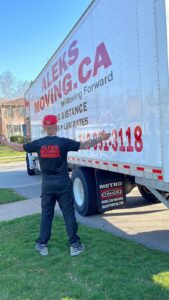

Professional donation services in Burlington pick up your usable furniture, appliances and household goods, sort them, and deliver them to local charities, ReStores and furniture banks for you. The obvious benefit is that you don’t have to lift or haul anything. The less obvious benefits are bigger: more of your items actually get reused, you avoid charity pickup minimums and curbside limits, your move or clear-out stays on schedule, and you keep cleaner records if you plan to claim donation receipts.
If you’re downsizing, clearing an estate, staging a house for sale or emptying an office, this guide walks through what those hidden benefits look like in practice, where the DIY route usually breaks down, and how to decide whether paying for a service makes sense for your situation.
What Are Professional Donation Services?
A professional donation service is a paid pickup-and-delivery service for items you want to give away rather than throw away. A trained crew comes to your home or business, removes the items from wherever they sit (basement, third floor, storage locker), loads them into a truck and drops them off at the organizations that can use them.
It’s different from two things people often confuse it with:
- Charity pickup programs are run by the charity itself. They’re free, but they choose what they take, when they come and whether your donation meets their minimum.
- Junk removal focuses on clearing space fast. Some items get donated, but the priority is disposal, not reuse.
A donation service sits between the two. You decide what goes, and the crew handles the logistics of getting it to the right place.
Why Donating in Burlington Isn’t as Simple as It Sounds
Most people assume donating furniture is easy: call a charity, they come and get it. In Burlington, it often doesn’t work that way.
Charity pickup thresholds
Charity trucks are expensive to run, so most programs screen requests. Habitat for Humanity Halton-Mississauga-Dufferin, for example, runs the ReStore at 1800 Appleby Line, and its free residential pickup is reserved for donations valued at $1,000 or more, assessed through an online request form. A single sofa and a dresser usually won’t qualify. Drop-off at the ReStore is open daily, but that puts you back to loading, transporting and unloading heavy pieces yourself.
Curbside bulk collection has limits
Halton Region’s curbside bulk waste program limits how many items you can put out per collection, and those items are treated as waste. That’s fine for a broken chair. It’s a poor outcome for a solid-wood dining set someone could have used. Mattresses also need to be wrapped in plastic before they go to the curb.
Charities say no more often than you’d think
Donation centres have limited floor space and strict standards. Items with stains, pet damage, missing parts or outdated safety features are commonly turned away at the door. If you’ve driven a loaded minivan across town only to be refused, you already know the cost of guessing wrong.
The Hidden Benefits of Using Professional Donation Services in Burlington
1. More of your items actually get reused
This is the benefit most people don’t see coming. A crew that does donation runs regularly knows which local organizations accept what. Building materials and cabinets suit a ReStore. Beds, tables and kitchen basics suit a furniture bank such as the Rotary Burlington North Furniture Bank, which supports families setting up a home. Clothing and small housewares suit thrift stores. Sorting by destination instead of sending everything to one place means fewer refusals and less ends up at the landfill.
2. You skip the minimums, waitlists and appointment windows
Charity pickup dates are often booked weeks out and may be given as a broad window. A professional service works on your schedule, which matters when you have a closing date, a lease end or a contractor starting on Monday.
3. Heavy, awkward items are handled safely
Sectional sofas, pianos, solid-wood armoires and appliances are the items most likely to cause injuries and property damage. Professional movers bring dollies, straps, blankets and floor protection, and they know how to navigate narrow staircases, condo service elevators and tight townhouse entries. If a piece needs to come apart to get out, a furniture disassembly service saves both the item and your door frames.
4. Your move or project stays on schedule
When donation is part of a move, timing is everything. Unwanted furniture sitting in the garage on moving day slows the crew down and can push up the cost. Clearing donations a few days before the move means your movers load only what you’re keeping, which keeps the job shorter and more predictable.
5. Better documentation for donation receipts
Registered charities in Canada can issue official donation receipts for eligible gifts in kind, based on fair market value, but it’s the charity’s decision whether to issue one. Not every drop-off generates a receipt, and thrift-store bins usually don’t. A service that delivers directly to the organization makes it easier to keep track of what went where. Before you donate, photograph each item and note its condition. For the rules on what counts and how receipts work, check the Canada Revenue Agency’s information for donors.
6. Less emotional weight during hard transitions
Estate clear-outs and senior downsizing are rarely just about furniture. Knowing a parent’s dining table is going to a family that needs one is easier than watching it go to the curb. A respectful crew that handles the logistics lets families focus on the decisions that matter. This is often part of a broader seniors moving plan.
Furniture Donation Pickup Service vs. DIY: A Quick Comparison
| Factor | DIY drop-off | Charity pickup | Professional donation service |
|---|---|---|---|
| Cost | Free, plus fuel, truck rental and time | Free | Paid, usually by volume or time |
| Scheduling | Limited by drop-off hours | Set by the charity; may require a minimum value | Set by you |
| Heavy lifting | You do it | Often curbside or garage only | Crew removes items from inside the home |
| Multiple destinations | Several trips | One organization only | Items sorted to the right organizations |
| Risk of refusal | High if you guess wrong | Screened in advance | Lower, because items are matched to destinations |
What Can You Donate in Burlington?
Acceptance rules vary by organization, but these categories are commonly accepted when they’re clean and in working condition:
- Furniture: sofas, dining sets, dressers, bed frames, bookcases, desks and office chairs
- Appliances: working fridges, stoves, washers and dryers (ReStores often take these)
- Kitchen cabinets and building materials: cabinets, doors, flooring, lighting and fixtures
- Household goods: dishes, cookware, lamps, linens and small appliances
- Office furniture: desks, filing cabinets and boardroom tables from business moves
Items that are commonly refused include used mattresses, cribs and car seats (because of safety standards), stained or torn upholstery, anything with signs of pests, and broken electronics. Those usually belong in a separate disposal stream, such as junk removal or the region’s waste programs. For a current list of local drop-off and pickup options, the Halton community services directory keeps a Burlington donation listing.
How the Process Works, Step by Step
- Walk-through and inventory. List what’s going and take photos. A clear photo set also makes quoting faster and more accurate.
- Sort into three groups. Keep, donate, dispose. Be honest about condition; if you wouldn’t buy it at a thrift store, a charity likely won’t accept it.
- Book the pickup. Share access details: stairs, elevator bookings, parking and any items that need disassembly.
- Crew removal and loading. Items are wrapped and removed without damage to floors, walls or railings.
- Delivery to organizations. Items go to the charities, ReStores or furniture banks that match them.
- Records. Ask which organizations received your items so you can follow up about receipts if eligible.
When a Professional Donation Service Makes the Most Sense
Paying for donation pickup isn’t always necessary. If you have one small bookcase and a car, drop it off yourself. A professional service earns its cost in these situations:
- Downsizing before a move. You’re moving from a detached home in Alton Village or Millcroft into a condo near downtown and can’t take half the furniture.
- Estate clear-outs. A full house needs to be emptied on a deadline, often while family members live out of town.
- Home staging and renovations. Realtors and homeowners need rooms cleared before photos, showings or a kitchen tear-out.
- Office and commercial moves. Businesses replacing furniture during an office relocation often have dozens of workstations that are still usable.
- Tenant turnovers. Landlords and property managers dealing with items left behind.
How a Business Owner or Homeowner Should Decide
Think of it as a simple cost comparison. Add up what DIY really costs: a truck rental, fuel, at least two people for half a day, the risk of injury, possible refusals, and repeat trips. Then compare that with a fixed quote. For a single item, DIY usually wins. For a room or more, especially with stairs or large pieces, a professional service is often the more economical option once time is counted.
Questions to ask before you book:
- Where do donated items actually go, and can you name the organizations?
- What happens to items a charity refuses?
- Is pricing flat-rate or hourly, and what’s included?
- Is the crew insured and covered by WSIB?
- Can donation pickup be combined with the move, packing or junk removal in one visit?
That last question matters more than people expect. Combining services means one crew, one truck and one appointment. At Aleks Moving, donation pickup is commonly scheduled alongside residential moving and packing, so unwanted items leave before the moving truck is loaded and you don’t pay to move furniture you’re giving away.
Common Mistakes to Avoid
- Waiting until moving week. Book donation pickup five to ten days before the move so nothing is left behind.
- Overestimating condition. Wobbly, stained or incomplete items will be refused. Fix, clean or set them aside for disposal.
- Forgetting the parts. Keep bed hardware, shelf pins and manuals taped to the item.
- Not emptying drawers. Check every drawer, cushion and cabinet for documents, keys and personal items.
- Mixing donations and garbage. Keeping them separate speeds up the job and keeps donation partners willing to accept loads.
Frequently Asked Questions
What are donation services in Burlington?
Donation services in Burlington are pickup services that remove usable furniture, appliances and household items from your home or business and deliver them to local charities, ReStores and furniture banks, so you don’t have to transport them yourself.
Is there a free furniture donation pickup service in Burlington?
Some charities offer free pickup, but most screen requests. Habitat for Humanity’s ReStore, for example, reserves free residential pickup for donations valued at $1,000 or more. Smaller donations usually need to be dropped off or collected by a paid service.
Can I get a tax receipt for donating furniture in Canada?
Possibly. Registered charities can issue official receipts for eligible gifts in kind at fair market value, but each charity decides whether to issue one. Thrift-store drop-offs usually don’t come with receipts. Check the CRA’s donor guidance before you donate.
What furniture won’t charities accept?
Charities commonly refuse used mattresses, cribs, car seats, stained or torn upholstery, items with pest damage, and broken appliances or electronics. Acceptance rules vary, so confirm with the organization first.
How much does a professional donation service cost?
Pricing usually depends on the number of items, their size, access (stairs, elevators, parking) and how many drop-off locations are involved. The most reliable way to know is to send photos and get a written quote.
Should I donate furniture before or after my move?
Before. Removing donations a few days ahead means movers load only what you’re keeping, which shortens moving day and can lower the cost.
Can donation pickup be combined with junk removal?
Yes. Many moving companies handle both in one visit: usable items go to charity and the rest is disposed of properly, so you don’t need to coordinate two separate crews.
Plan Your Donation Pickup the Smart Way
The real value of professional donation services in Burlington isn’t just the lifting. It’s getting your items to people who can use them, on your timeline, without refusals, repeat trips or a cluttered moving day. If you’re preparing for a move or clearing a property, start with a quick inventory and photos, then explore our donation services or see how we support moves across Burlington. When you’re ready, request a free, flat-rate quote and we’ll plan the pickup around your schedule.