

Climate-controlled storage keeps your belongings in a stable environment by maintaining both temperature and humidity within set ranges, typically 10–28 °C (50–82 °F) and 45–65% relative humidity. That stability is what separates these units from a standard drive-up locker, which is essentially an insulated metal box exposed to whatever the Canadian weather decides to do that day.
Two things make climate control worth understanding:
- What it prevents: mould growth, wood warping, rust, electronics corrosion, paper yellowing, and adhesive failure — all of which accelerate when temperature and humidity swing repeatedly.
- Who needs it most: anyone storing wooden furniture, photographs, antiques, or electronics for more than a few months, especially through a Canadian winter or a humid Ontario summer.
Key takeaways
| Point | Details |
|---|---|
| Temperature and humidity ranges | Stable units target 10–28 °C (50–82 °F) and 45–65% relative humidity year-round. |
| Priority items | Antiques, wooden furniture, electronics, paper documents, artwork, and instruments need climate control most. |
| Decision rule | Choose climate control for any storage lasting over 3 months, or for irreplaceable items at any duration. |
| Facility verification | Ask for HVAC logs, winter heating setpoints, and humidity monitoring before signing a lease. |
| Aleksmoving | Offers professional packing, antiques handling, and coordinated storage across Ontario with flat-rate pricing. |
Table of Contents
- How does climate-controlled storage actually work?
- Which items benefit most from climate-controlled storage?
- Is climate-controlled storage worth the extra cost?
- What should you check before renting a climate-controlled facility?
- How to pack items for climate-controlled storage
- What climate-controlled storage does not guarantee
- When should you hire professionals for climate-controlled storage?
- A practical perspective on climate control and Canadian moves
- Aleksmoving makes climate-aware storage simple
- Sources
How does climate-controlled storage actually work?
The core system is an HVAC unit paired with humidifiers or dehumidifiers. The HVAC heats or cools the air to hold the target temperature range, while the humidity equipment pulls moisture out (or adds it back in) to keep relative humidity steady. Indoor enclosed buildings deliver more consistent results than drive-up units because the entire structure is insulated and conditioned, not just the individual locker.
Drive-up units labelled “temperature controlled” are a different product. They may have basic heating to prevent pipes from freezing, but they rarely manage humidity and their insulation is often minimal. The door opens directly to the outdoors, which means every visit lets in cold, damp Canadian air. An indoor climate-controlled building keeps corridors and access areas conditioned too, so the unit’s environment stays far more stable between visits.
Key components to understand:
- HVAC system: heats in winter, cools in summer, circulates filtered air continuously.
- Humidifiers/dehumidifiers: excess humidity encourages mould and mildew; overly dry conditions make wood and paper brittle, so both extremes matter.
- Insulation and vapour barriers: keep outdoor temperature and moisture from migrating through walls and ceilings.
- Monitored thermostats: allow staff (and ideally you) to verify setpoints are being maintained.
Pro Tip: When visiting a facility in Canada, ask specifically whether the system heats to a minimum of 10 °C (50 °F) in winter and whether humidity is actively controlled year-round, not just in summer. Some facilities only cool — a serious gap for anyone storing through a Canadian January.
Which items benefit most from climate-controlled storage?
Antiques, paper documents, photographs, wooden furniture, electronics, artwork, musical instruments, fabrics, and certain plastics and vinyl items all benefit from stable conditions. Here is a practical priority ranking:
- Antiques and heirlooms — irreplaceable by definition; wood joints loosen and veneers lift with repeated humidity swings.
- Paper documents and photographs — yellowing, brittleness, and mould set in faster than most people expect; acid-free storage alone is not enough without humidity control.
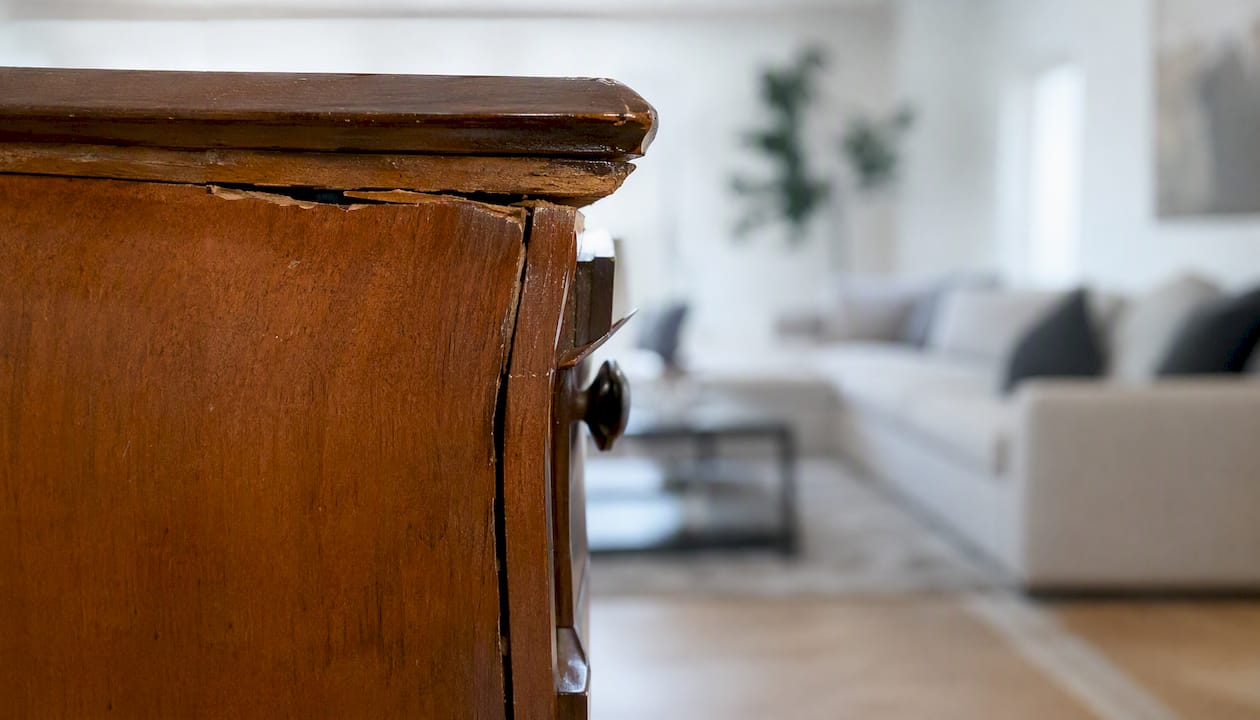
- Wooden furniture — solid wood expands and contracts with moisture changes, causing cracking, warping, and joint failure over a full Canadian winter-to-summer cycle.
- Electronics — condensation inside circuit boards causes corrosion; even a single freeze-thaw cycle can crack solder joints.
- Artwork and musical instruments — canvas, paint, and instrument bodies are highly sensitive to both temperature and humidity; a violin stored in a cold, dry locker can crack within weeks.
- Fabrics and linens — heirloom textiles, wedding dresses, and wool items attract mould and mildew in humid conditions; synthetic seasonal clothing is more tolerant.
- Plastics and vinyl — records warp in heat; certain plastics become brittle in sustained cold.
- Medical supplies and cosmetics — many products have temperature stability requirements that a standard locker cannot meet.
A quick note on borderline cases: seasonal clothing stored for three months or fewer in a standard unit is usually fine, provided items are clean and dry before boxing. Heirloom textiles are a different matter entirely and belong in climate control regardless of duration. For business owners storing sensitive inventory, long-term warehousing with climate control is worth exploring as a dedicated option.
Is climate-controlled storage worth the extra cost?
For most Canadians storing anything valuable or irreplaceable, yes. The honest answer depends on three variables: what you are storing, how long it stays there, and where in Canada you are.
Move, though regional variation is real. That U.S.-based data is a useful reference point, but Canadian pricing varies by city and facility. Check local quotes directly before assuming any national average applies to your situation.
A practical decision framework:
- Storing for less than 3 months: standard storage is often acceptable for durable items like tools, seasonal décor, and plastic bins of clothing. Still choose climate control for electronics, paper, or anything antique.
- Storing for 3 months or longer: climate control is worth the premium for almost any household goods, because a full Canadian seasonal cycle will test every material.
- High-value or irreplaceable items at any duration: climate control is the only sensible choice. The replacement or restoration cost of a damaged antique or a ruined document archive will far exceed any monthly savings.
- High-humidity regions (coastal BC, southern Ontario in summer): humidity control matters as much as temperature. Confirm the facility actively dehumidifies, not just cools.
If local pricing for climate-controlled and standard units is similar, it can be cost-effective to use climate control broadly for long-term storage of mixed household goods. That situation does arise in some Canadian markets. For help thinking through short-term versus long-term storage decisions, Aleksmoving’s guide covers the tradeoffs in a Toronto context.
| Feature | Climate-controlled unit | Standard drive-up unit |
|---|---|---|
| Temperature range | 10–28 °C (50–82 °F) | Unregulated; follows outdoor temps |
| Humidity control | 45–65% relative humidity (target) | None |
| Building type | Enclosed, insulated, indoor access | Drive-up, outdoor-facing door |
| Best for | Antiques, electronics, paper, art | Tools, vehicles, seasonal décor |
| Cost premium | Modest; varies by region | Baseline |
What should you check before renting a climate-controlled facility?
Visiting in person before signing anything is the single most reliable way to verify a facility’s claims. Marketing language like “climate controlled” is not regulated in Canada, so the label alone guarantees nothing.
On-site inspection checklist:
- Fully enclosed building with insulated walls, ceiling, and floor (not a converted warehouse with gaps)
- Visible HVAC equipment that is clearly operational (listen for it running)
- Thermostat or digital display showing current temperature and setpoint
- No mould smell, water stains, or evidence of past leaks near unit doors or corridors
- Pest control signage or evidence of a regular inspection programme
- Indoor corridor access rather than direct outdoor-facing doors
- Clear drainage around the building perimeter
Questions to ask staff:
- What is the minimum temperature maintained in winter, and what is the heating system?
- Do you actively control humidity, and what is the target range?
- How often is the HVAC system serviced, and by whom?
- Do you have a power backup (generator) for HVAC in an outage?
- Can you show me temperature or humidity logs from the past 30 days?
- What pest inspection schedule do you follow?
- Does the facility offer or require tenant insurance?
Red flags to walk away from:
- Staff cannot answer basic questions about temperature setpoints or humidity control
- Visible drafts around unit doors or gaps in the building envelope
- A mildew or musty smell anywhere in the building
- No monitoring equipment visible, or thermostats that look decorative rather than functional
- Units with uninsulated metal roll-up doors facing the outdoors directly
Facilities that can demonstrate temperature and humidity logging, either printed or electronic, and have scheduled HVAC servicing are materially more reliable than those that only claim climate control on their marketing material.
How to pack items for climate-controlled storage
A climate-controlled unit does the heavy lifting, but what you put inside and how you pack it still determines the outcome. Practical packing measures improve long-term results even inside a well-maintained unit: clean and fully dry items before boxing, use acid-free containers for paper and photographs, and include desiccant packs inside sealed plastic bins.
Packing checklist:
- Clean and dry every item thoroughly before it goes into a box or cover. Moisture trapped inside packaging will cause mould regardless of the unit’s humidity level.
- Use acid-free boxes and tissue paper for documents, photographs, books, and artwork on paper.
- Wrap wooden furniture in breathable moving blankets or cotton covers, not plastic sheeting. Plastic traps moisture against the wood surface.
- Place framed art and instruments in padded, breathable cases or wrap them in acid-free paper before covering.
- Use sealed plastic bins for small items, and drop two or three silica gel desiccant packs inside each bin.
- Disassemble large furniture where possible to reduce stress on joints during storage.
- Elevate everything off the floor on pallets or shelving to allow air circulation and protect against any minor moisture intrusion.
For detailed guidance on protecting fragile pieces during a move, Aleksmoving’s resource on packing fragile items for long-distance moves covers wrapping and cushioning techniques that apply equally well to storage preparation.
Pro Tip: Acclimatise items before moving them into the unit. If you have been loading a truck in January and your belongings have been sitting in minus-20 °C air, bring them into a heated space for several hours before placing them in storage. Moving cold, damp items directly into a warmer unit creates condensation on and inside them — the exact damage you are paying to prevent.
What climate-controlled storage does not guarantee
The label “climate controlled” covers a wide range of actual capability. Industry practitioners consistently note that it is not a universal guarantee and advise confirming the facility is enclosed and that HVAC systems are specified to handle local seasonal extremes, including heating for cold Canadian winters.
Common misconceptions worth clearing up:
- “Climate controlled” means perfectly stable conditions at all times. It does not. Every time a unit door opens, outdoor air enters. In a Canadian winter, that means a brief but real temperature and humidity spike inside the unit. Frequent access reduces the benefit.
- The unit protects items during transport. It protects items while they sit in the unit. Moving items in and out through cold, wet weather creates condensation risks that the unit itself cannot address. Acclimatisation and careful handling during transport are still required.
- All climate-controlled units are equivalent. They are not. One facility’s “climate controlled” may mean a single baseboard heater; another’s may mean a full commercial HVAC system with humidity monitoring and data logging.
Seasonal condensation is a particular risk during Canadian spring and fall, when outdoor temperatures swing dramatically within a single day. If you are moving items in or out during those seasons, plan visits for the warmest, driest part of the day and allow items to acclimatise before sealing them back into boxes.
When should you hire professionals for climate-controlled storage?
Some storage situations call for more than renting a unit and loading it yourself. If any of the following apply, professional moving and storage services reduce risk considerably:
- You are storing high-value antiques, artwork, or instruments that require crating or custom wrapping.
- You need coordinated packing, transport, and storage as part of a cross-province move.
- You are managing a bulk long-term storage situation for a business, including sensitive inventory or equipment.
- You lack the vehicle or equipment to move large, heavy, or fragile items safely.
- You need temporary storage between closing dates and want a single point of contact for packing and delivery.
Aleksmoving offers antiques and art moving, professional packing, and both short- and long-term storage as part of its Ontario-wide service. Flat-rate pricing means you know the cost upfront, with no hidden fees added at delivery. For businesses needing commercial storage solutions, Aleksmoving can also coordinate the logistics of moving sensitive goods into appropriate facilities.
A practical perspective on climate control and Canadian moves
Climate-controlled storage is one of those things that feels optional until it is not. We have seen what happens when wooden furniture spends a full Ontario winter in an uninsulated drive-up unit: swollen drawers, cracked veneers, and finishes that lift at the corners. The repair cost almost always exceeds what climate control would have cost for the entire storage period.
Our honest recommendation: if you are storing anything through a Canadian winter, or anything you could not easily replace, choose climate control and verify the facility in person. The checklist in this article gives you the right questions. A facility that welcomes those questions is one worth trusting.
Aleksmoving makes climate-aware storage simple
Protecting your belongings through a Canadian move means more than finding a climate-controlled unit. It means getting items there safely, packed correctly, and handled by people who understand what delicate and high-value pieces need.
Aleksmoving brings over 18 years of experience to residential and commercial relocations across Ontario, including professional packing for fragile and antique items, coordinated short- and long-term storage, and specialty handling for artwork and instruments. Flat-rate pricing means no surprises on moving day, and our team can advise you on the right storage approach for your specific belongings and timeline. Request a free quote through our moving services page and get a clear, upfront plan for your next move and storage needs.
Sources
- Climate-Controlled Storage
- Do you need climate-controlled storage for your belongings?
- Renting Climate-Controlled Storage: Why You Need It
- What is Climate-Controlled Storage?