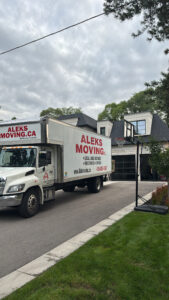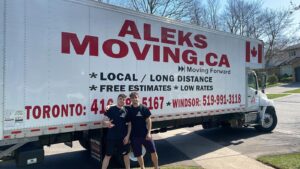

Why Residential Moving Burlington Requires Local Expertise
Burlington isn’t a generic city to move within. Its mix of high-rise condos near the waterfront, established neighborhoods like Roseland and Shoreacres, and newer developments in the north end each come with their own logistical quirks — narrow condo hallways, strict building elevator booking windows, steep driveways, or tight street parking near the downtown core.
A moving company unfamiliar with these details can turn a simple relocation into a day of delays. That’s why experienced residential movers Burlington homeowners trust tend to know things like which buildings require certificates of insurance in advance, or which streets have loading restrictions during peak hours.
Local knowledge also affects timing. Movers familiar with Burlington traffic patterns — QEW congestion near the City of Burlington core, school zones, seasonal construction — can build a realistic schedule instead of an optimistic one that falls apart by mid-afternoon.
Understanding What Residential Moving Burlington Actually Covers
Homeowners often underestimate the scope of a full residential move. It typically includes:
- Pre-move planning — inventory assessment, timeline creation, and cost estimation
- Packing services — either full-service packing or supply-only support
- Furniture disassembly and reassembly — beds, shelving units, sectional sofas
- Loading and transport — secure, weight-balanced loading to prevent shifting
- Unloading and placement — getting items into the correct rooms, not just through the front door
- Post-move setup — unpacking assistance and debris removal, if requested
Understanding this scope matters because it directly affects your budget and timeline. A homeowner who only accounts for “the truck and the guys” is often surprised by how much time packing and furniture protection actually take. A dependable residential moving service in Burlington will walk you through each of these stages before move day, not during it.
Choosing Between Local and Long-Distance Residential Moving
Not every move within Burlington is the same distance-wise, and not every move stays local. Here’s how to think about the distinction:
Local home moving typically applies when you’re relocating within Burlington or to a neighboring municipality like Oakville or Hamilton. These moves are usually priced hourly, with cost driven primarily by crew size, truck size, and total labor hours. You can see how local moves are typically structured and priced before requesting a quote.
Long-distance residential moving applies to relocations outside the immediate region — a move to Ottawa, Toronto’s outer suburbs, or further afield. These are typically priced by weight or volume plus mileage, and require more advance booking due to route planning and scheduling. Our long-distance service page breaks down how this pricing model works in more detail.
Knowing which category your move falls into early helps you get accurate quotes instead of comparing apples to oranges when researching companies.
Apartment, Condo, and Townhouse Movers: What Changes
Not all residential moves look the same, and the property type changes what you should ask for.
Condo Movers Burlington
Condo moves come with building-specific rules: elevator booking windows, certificate of insurance requirements, and designated loading dock times. A moving company experienced with condo movers Burlington buildings will typically confirm these details with your property management before move day — not the morning of.
Apartment Movers
Apartment moves often involve stairwells, narrow hallways, or shared elevators with other tenants. Efficient furniture handling and disassembly (getting a couch through a doorway without damaging walls) becomes especially important here. Our furniture disassembly and assembly service is built specifically for these tight-access moves.
Townhouse and House Movers
Detached and townhouse moves usually offer more loading flexibility — driveway access, wider doorways — but often involve larger volumes of household items, meaning proper truck sizing and load planning matter more.
A Realistic Residential Moving Burlington Checklist
Business owners planning office relocations know that structured checklists prevent costly mistakes. The same logic applies to home moves. Here’s a practical breakdown:
6–8 weeks before moving day
- Research and request quotes from residential movers
- Declutter — donate or sell items you won’t bring
- Start collecting moving boxes and packing supplies
3–4 weeks before
- Confirm your moving date and get written pricing
- Begin packing non-essential rooms (storage areas, guest rooms)
- Notify utility providers of your move date
1–2 weeks before
- Pack remaining rooms, labeling boxes by room
- Arrange parking permits or elevator bookings if applicable
- Confirm move-day logistics with your moving company
Moving day
- Do a final walkthrough of the old property
- Supervise loading for fragile and high-value items
- Confirm inventory upon arrival at the new home
This kind of structured planning is exactly how Aleks Moving approaches every residential relocation — reducing the guesswork that typically causes moving-day stress. If there’s a gap between your move-out and move-in dates, it’s also worth asking about our storage solutions to bridge the timeline.
How Professional Movers Protect Your Furniture and Belongings
One of the most common concerns homeowners raise is damage — to furniture, to walls, to floors. Professional furniture protection practices typically include:
- Wrapping upholstered furniture in moving blankets and stretch wrap
- Disassembling large items like bed frames and dining tables to reduce breakage risk
- Using floor runners and door jamb protectors in both properties
- Securing fragile items (glassware, mirrors, electronics) in padded, labeled boxes
- Strategic loading order so heavier items don’t crush lighter ones in transit
If a moving company can’t clearly explain how they handle fragile or heavy items, that’s a signal to keep researching. Careful furniture handling isn’t a premium add-on — it should be standard practice.
Full-Service vs. Labor-Only Residential Moving
Homeowners generally choose between two models:
Full-service residential moving includes packing, loading, transport, unloading, and sometimes unpacking. This suits busy professionals, families with young children, or anyone relocating on a tight timeline. Our packing service covers everything from full-service packing to protection for high-value or fragile items.
Labor-only or loading/unloading services suit homeowners who’ve already packed but need help with the physically demanding parts — lifting, loading, and transport.
Deciding between these often comes down to a simple cost-benefit calculation: is your time or your budget the more constrained resource right now? Many homeowners find a middle ground — packing fragile or sentimental items themselves while hiring movers for furniture and bulk items.
Common Questions Homeowners Ask Before Booking Movers
Beyond pricing, homeowners consistently want clarity on liability, timing, and what happens if something goes wrong. A trustworthy residential moving company will proactively address:
- Whether they carry insurance covering your belongings in transit
- How they handle delays (traffic, building access issues, weather)
- Whether their quote is binding or subject to change on move day
- What happens if an item is damaged during the move
Getting clear answers to these questions before booking is far more useful than comparing hourly rates alone.
Making the Final Decision: What Actually Matters
When comparing residential movers, experienced homeowners tend to prioritize:
- Transparent pricing — no vague estimates that balloon on move day
- Verified reviews — from real Burlington-area clients, not generic testimonials
- Proper equipment — dollies, ramps, furniture pads, appropriately sized trucks
- Clear communication — a company that answers questions before you have to chase them down
- Insurance coverage — protection in case something is damaged
A moving company that checks all five boxes is generally worth a slightly higher rate than one that’s cheaper but vague on details. You can see how our approach compares on our Burlington movers page.
Final Thoughts on Planning Your Burlington Move
A successful residential move isn’t about luck — it’s about structured planning, realistic timelines, and choosing a moving partner who understands Burlington’s specific logistics. Whether you’re relocating from a downtown condo or a family home in the north end, the fundamentals stay the same: plan early, protect your belongings, and work with movers who communicate clearly from quote to final walkthrough. If you’re checking parking permits or bylaw restrictions ahead of move day, the City of Burlington website is a useful resource.
Frequently Asked Questions
How far in advance should I book residential movers in Burlington?
For local moves, booking 3–4 weeks ahead is typically sufficient. For long-distance residential moving or moves during peak season (May–September), 6–8 weeks is safer to secure your preferred date.
How much does residential moving cost in Burlington?
Local moves are usually priced hourly based on crew size and truck size, while long-distance moves are priced by volume or weight plus mileage. Getting a detailed, itemized quote is the best way to avoid surprises.
Do condo movers need special building approval in Burlington?
Many Burlington condo buildings require elevator booking and a certificate of insurance in advance. Confirming this with your property management before move day prevents last-minute delays.
What’s the difference between full-service and labor-only moving?
Full-service moving includes packing, loading, transport, and unloading. Labor-only service covers just the physical loading and unloading, suited to homeowners who’ve already packed.
How do movers protect furniture during transport?
Professional movers use moving blankets, stretch wrap, floor runners, and door jamb protectors, along with strategic loading order to prevent shifting and damage in transit.
Should I pack fragile items myself or let movers handle them?
Either works, but professional packing typically includes specialized materials and techniques for glassware, mirrors, and electronics that reduce breakage risk compared to standard home packing.
What should I ask a moving company before booking?
Ask about insurance coverage, how they handle delays, whether their quote is binding, and their policy for damaged items. Clear answers to these questions are a strong indicator of reliability.
Get a Free Residential Moving Quote in Burlington and let our local team walk you through your options, from packing and furniture protection to storage. Contact Aleks Moving today to get started.