

Yes, WSIB registration matters when you hire movers in Ontario, and the single check that protects you is a valid clearance certificate. Before you book, ask the mover for their clearance or look it up yourself on WSIB’s eClearance tool. Clearances are only valid for up to 90 calendar days, so check the issue date before you sign anything.
TL;DR:
- Because a WSIB clearance lasts up to 90 days, check its issue date and request a fresh certificate before paying a deposit.
- Search WSIB’s eClearance tool by business name, phone number, address, or postal code, then save the result with its issue and expiry dates.
- A clearance shifts liability for unpaid premiums only while valid and requirements are met; it does not cover damage to furniture or flooring.
- An independent operator without employees may not need WSIB registration or have a clearance, so ask what coverage, including commercial liability, they carry.
Table of Contents
- What a WSIB clearance certificate means for Ontario movers
- How to check a mover’s WSIB status before you book
- What WSIB coverage protects you from, and what it doesn’t
- Who has to register with WSIB, and why some movers don’t
- Why a WSIB-registered, professional crew is worth asking for
- A homeowner’s checklist before signing with any mover
- Getting a verified quote from Aleks Moving
- FAQ
- Sources
What a WSIB clearance certificate means for Ontario movers
A WSIB clearance certificate confirms that a moving company has an active WSIB account and is current with its reporting and premium payments. We think of it as a snapshot of good standing rather than a permanent badge: the business has to keep paying into the system for the certificate to mean anything.
According to WSIB’s own guidance, a clearance is valid for up to 90 days from the date it’s issued, which is why checking the date matters as much as checking that the document exists at all.
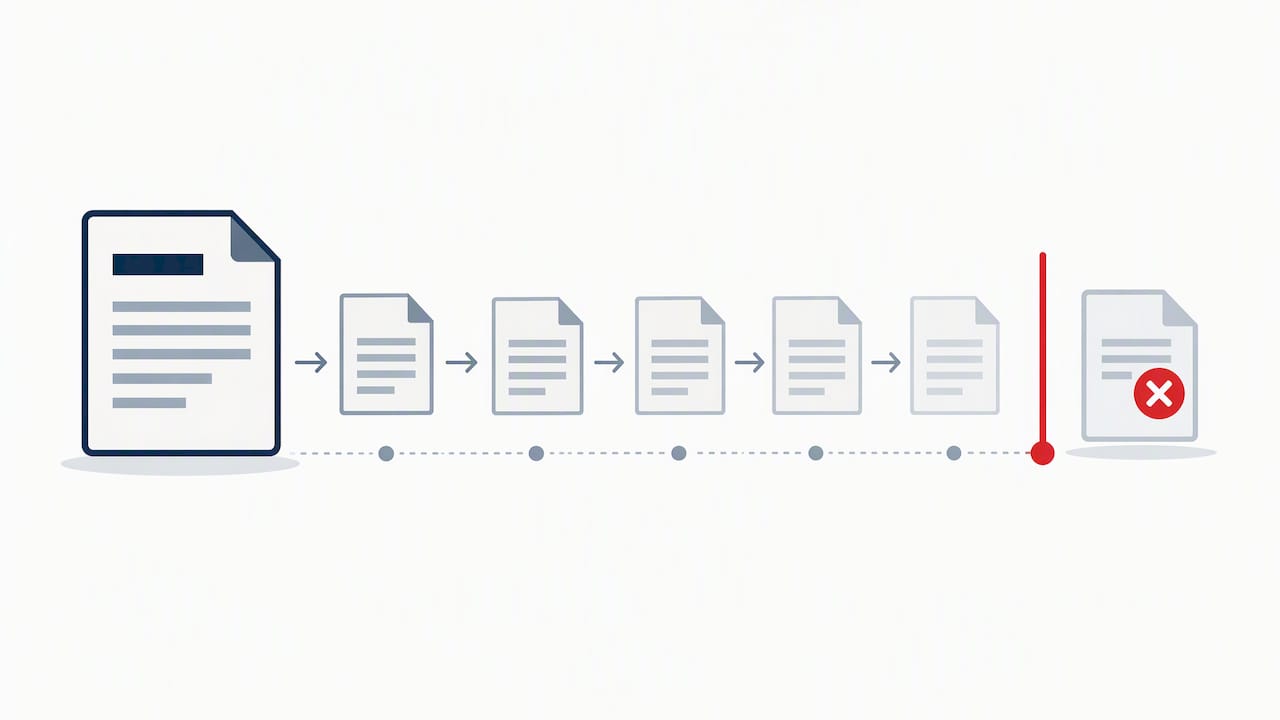
90 days is the clock that matters most here. A clearance issued five months ago tells you nothing about the mover’s current standing, so always confirm the issue date before you treat it as valid.
A clearance does more than confirm paperwork. Under WSIB’s clearance certificate policy, issuing a clearance relieves the principal, that’s you, the homeowner, of liability for unpaid premiums the contractor might owe, as long as the certificate stays valid and the contractor keeps meeting WSIB’s registration, reporting and payment requirements. In plain terms:
- A valid clearance shifts the risk of unpaid worker-injury premiums away from you and keeps it with WSIB and the mover.
- The protection only applies while the clearance remains valid, so a lapsed certificate offers no cover at all.
- Clearance status reflects the mover’s account standing at the moment it’s checked, not a guarantee about future behaviour.
How to check a mover’s WSIB status before you book
Verifying a mover’s clearance takes a few minutes and should happen before you put down a deposit.
- Ask for the clearance certificate or clearance number when you request your quote, and note the issue date printed on it.
- Confirm it yourself on WSIB’s eClearance search, which lets you search by business name, phone number, CRA business name, address, city or postal code.
- Save a copy (screenshot or PDF) along with the issue and expiry dates, and if the certificate is older than 90 days, ask the mover for a fresh one before moving day.
If a mover can’t produce a clearance, that’s worth a direct conversation. Ask whether they carry commercial liability insurance or other proof of coverage, and weigh that against booking with a company that can verify its WSIB status on request. This is simply due diligence, the same way you’d check references or read reviews before handing over your belongings and your home for the day.
Pro Tip: Keep your saved clearance certificate with your moving contract, not just in your inbox, so you have both documents in one place if a question ever comes up.
What WSIB coverage protects you from, and what it doesn’t
WSIB clearance is about liability for workplace injuries, not about your couch getting scratched on the way out the door. Once a clearance is valid, WSIB’s policy relieves you, as the principal hiring the contractor, from responsibility for the mover’s unpaid premiums during that window. In practice, that means if a worker is injured while moving your belongings, you’re far less likely to face a financial claim tied to that employer’s WSIB obligations.
That protection has limits worth knowing:
- WSIB clearance covers workplace injury and employer obligations. It says nothing about your furniture, boxes or flooring.
- Moving insurance or contents coverage is a separate product entirely, and a mover having a clearance doesn’t mean your belongings are automatically protected if something breaks.
- A clearance reduces the chance of an unexpected liability claim landing on your doorstep after a workplace injury, but it’s not a substitute for checking what happens if your antique dresser gets damaged in transit.
If protecting your belongings matters as much as protecting yourself from liability, it’s worth reading our guide to moving insurance in Ontario alongside this one.
Who has to register with WSIB, and why some movers don’t
Most moving companies with employees fall under WSIB’s mandatory coverage rules, since the moving and transport sector is a Schedule 1 industry. That means the business has an account, reports payroll, and pays premiums, which is what makes a clearance certificate possible in the first place.
Not every mover fits that mould, though. According to WSIB’s clearance page, independent operators with no employees other than themselves might not be obligated to register, which also means they can’t produce a clearance certificate even if asked.
- If a mover tells you they’re an independent operator with no staff, that explains the absence of a clearance rather than signalling a problem.
- In that case, ask what coverage they do carry, such as commercial liability insurance, so you still have a clear picture of your exposure.
- Larger crews and companies with employees should have a clearance on file as a matter of course, and it’s reasonable to expect one.
Why a WSIB-registered, professional crew is worth asking for
We have extensive experience, and that time has taught us that the paperwork side of moving, clearances, insurance, flat-rate quotes, is just as important as the trucks and the boxes. We keep our pricing flat and upfront with no hidden fees, and we provide WSIB verification when you request a quote.
- Our services include residential moves, office and commercial relocations, packing, storage, and specialty handling for antiques and art.
- A trained, properly insured crew tends to work more carefully and more efficiently, which is part of why the operations are built around experienced movers rather than day labour.
- Businesses that maintain active WSIB accounts generally run more structured operations, including return-to-work planning and administrative controls, which tends to show up in how a crew handles your move.
Pro Tip: When you call for a quote, ask us for our clearance certificate in the same breath as your price estimate. It takes seconds and gives you one less thing to worry about on moving day.
A homeowner’s checklist before signing with any mover
Checking WSIB status should be as routine as comparing quotes. A flat-rate quote means little if the crew behind it isn’t properly registered and covered. When you call for an estimate, you’re welcome to ask for a clearance certificate as part of that same conversation, no separate request needed.
— Ali
Getting a verified quote from Aleks Moving
We serve homeowners with local and long-distance moves, and WSIB verification is part of how quotes are provided, not an extra step you have to chase down. If you’d like to see our clearance certificate alongside your estimate, just ask when you reach out.

- Request a quote for your local move or a long-distance relocation and ask about WSIB verification in the same call.
- Bundle packing services with your move if you want one crew handling both.
- Ask about short or long-term storage if your move date and your closing date don’t line up.
| What you’re booking | Where to start |
|---|---|
| Local or residential move | Residential moving services |
| Long-distance relocation | Long distance moving service |
| Packing support | Packing service |
| Storage before or after your move | Moving and storage service |
Reach out for a free quote and ask for a WSIB clearance certificate as part of the conversation.
FAQ
Does WSIB pay full wages in Ontario?
No, WSIB does not pay full wages. Wage-loss benefits are calculated as a percentage of a worker’s pre-injury earnings, and the exact amount depends on the claim and the worker’s net average earnings.
Is WSIB Ontario government?
Yes, the Workplace Safety and Insurance Board is an Ontario government agency that administers workplace injury insurance and compensation for the province. It operates independently but is established under provincial legislation, and its about us page outlines its mandate.
Can you terminate someone on WSIB?
Employers have obligations around re-employment and accommodation for workers recovering from a workplace injury, and those obligations are detailed in WSIB’s re-employment policy. Terminating a worker while they’re on a WSIB claim can expose an employer to legal risk if it violates those re-employment duties, so it’s a question for an employment lawyer rather than a general rule.
What are the changes to WSIB benefits in 2026?
One confirmed change for 2026 is a lower average premium rate for Ontario businesses, set at $1.23 per $100 of insurable payroll. This affects what employers pay into the system rather than the benefits a worker receives after an injury.