Skip to content

TL;DR:
- Professional movers provide asset protection through specialized handling, chain-of-custody protocols, and valuation coverage. Proper planning and early communication with movers significantly reduce damage, theft, and operational disruptions during relocations.
Professional movers are defined as strategic partners in asset protection, combining specialized handling, risk management, and liability coverage to safeguard belongings during relocations. The role of movers in asset protection extends well beyond physical transport. It includes inventory management, chain-of-custody protocols, and legal compliance that collectively reduce loss and damage. Over 50% of organizations consider professional movers essential to minimising disruption during business relocations. For both homeowners and businesses across Ontario, understanding what professional movers actually do for your assets changes how you plan every move.
What specialized techniques do movers use to protect assets?
Professional movers apply a structured set of methods to protect assets at every stage of a move. These techniques go far beyond wrapping items in blankets. They form a coordinated system of safeguards that reduces the chance of damage, theft, or misplacement.
The core protective methods include:
- Standardized packing materials. Professional packing supplies such as double-walled boxes, foam padding, and custom crating provide far greater protection than household alternatives. Each material is selected based on the item’s weight, fragility, and transit distance.
- Detailed inventory documentation. Movers record every item before loading, often with condition photos. This creates a clear baseline for any damage claims and prevents items from going missing during transit.
- Specialized handling equipment. Dollies, furniture lifts, and strapping systems reduce the physical stress placed on heavy or awkward items. Sensitive equipment handling with protective padding and proper lifting tools greatly reduces damage risk.
- Climate-controlled transport. Artwork, antiques, electronics, and documents require stable temperature and humidity during transit. Climate-controlled vehicles prevent warping, cracking, and corrosion.
- Chain-of-custody protocols. Tamper-evident seals on numbered boxes identify any interference during transit. A broken seal signals possible tampering or theft, giving clients a clear record of what happened and when.
- Strategic scheduling. Moving during off-peak hours reduces exposure to high-traffic environments and lowers the risk of theft or accidental damage at loading docks and building entrances.
Pro Tip: Ask your mover to provide numbered tamper-evident seals for boxes containing electronics, documents, or high-value items. Photograph the sealed boxes before loading. This simple step creates an auditable chain of custody that protects you if a dispute arises.
Movers function as strategic logistics partners, sequencing moves and managing inventory to protect expensive technological infrastructure and sensitive documents. That coordination is what separates a professional move from a DIY effort.
How do movers’ liability and insurance coverage support asset protection?
Movers and liability insurance work together to form the financial backbone of asset protection during a relocation. Understanding the difference between the two main coverage types is critical before you sign any contract.
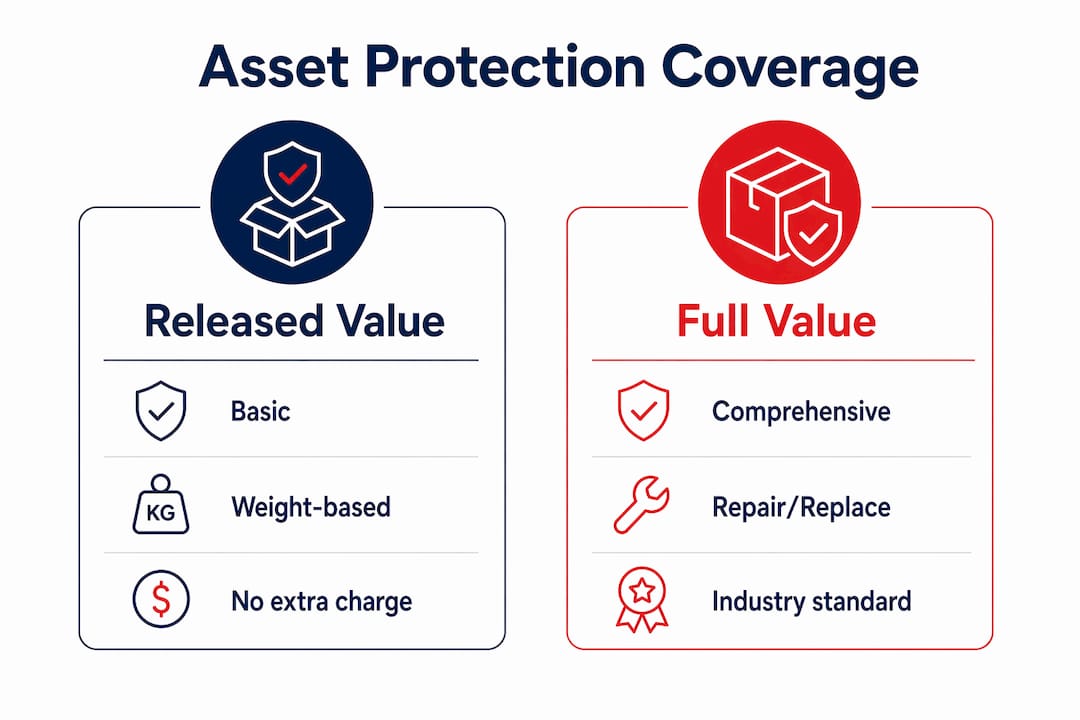
Released value protection is the basic level of coverage included in most moving contracts at no extra charge. It reimburses you based on the weight of the item, not its actual value. A $3,000 laptop that weighs 2 kilograms could result in a payout of just a few dollars under this model.
Full value protection is the industry’s gold standard. Under this model, the mover is responsible for repair, replacement, or cash settlement for any lost or damaged goods. This coverage costs more, but it reflects the actual risk you are transferring to the mover.
| Coverage type | Basis of reimbursement | Best suited for |
|---|---|---|
| Released value protection | Weight of item | Low-value household goods |
| Full value protection | Actual repair or replacement cost | High-value or fragile assets |
| Third-party all-risk insurance | Declared value of item | Antiques, art, and irreplaceable items |
Moving companies provide valuation coverage, not traditional insurance. Canadian law restricts movers from selling insurance products directly. For high-value assets such as antiques, fine art, or specialized business equipment, third-party all-risk insurance fills the gap that mover valuation coverage cannot.
Pro Tip: Before your move, request a copy of your mover’s liability documentation and confirm the coverage level in writing. If you own items worth more than the full value protection limit, contact your home or business insurer about a short-term all-risk rider.
Professional movers must comply with occupational health regulations and transportation laws. That compliance shields clients from legal exposure when something goes wrong during a commercial relocation.
What are the key benefits of hiring professional movers for asset protection?
The decision to hire professional movers rather than self-moving is fundamentally a risk management decision. Here is what professional movers deliver that a DIY move cannot replicate.
-
Reduced breakage and damage risk. Professional movers are trained to handle fragile, bulky, and high-value items using techniques that most people simply do not know. Commercial movers use specialized techniques including protective padding, dollies, and lifts that maintain operational stability and greatly reduce damage risk.
-
Lower operational downtime for businesses. A poorly planned office move can shut down operations for days. Professional movers transform risk management from reactive to proactive, reducing downtime and unexpected expenses through detailed planning and resource allocation.
-
Access to equipment you cannot easily source. Furniture dollies, appliance straps, custom crates, and climate-controlled vehicles are not available at a hardware store. Professional movers arrive with the right tools for every item on your inventory.
-
Accountability and risk transfer. When you hire a licensed mover, you transfer legal responsibility for your assets during transit. A DIY move places all liability on you, with no recourse if something breaks or disappears.
-
Cost protection over the long term. The upfront cost of professional movers is predictable. The cost of replacing a damaged server, antique, or piece of custom furniture is not. Aleksmoving offers flat-rate pricing with no hidden fees, so you know exactly what you are paying before the truck arrives.
For businesses, the role of logistics in office moves is directly tied to how quickly operations resume after a relocation. Professional movers plan that recovery from the first consultation.
How can you maximise asset protection when working with movers?
Clients who prepare thoroughly before moving day get significantly better outcomes. The mover’s job is to protect your assets in transit. Your job is to give them the information they need to do that well.
- Create a detailed inventory before packing begins. List every item, note its condition, and photograph valuables from multiple angles. Experts recommend photographing valuables before packing and transporting small, irreplaceable assets personally.
- Communicate special handling requirements clearly. Tell your mover which items are fragile, which have sentimental or high monetary value, and which require climate-controlled transport. Do not assume they will guess.
- Physically carry irreplaceable small items yourself. Jewellery, passports, hard drives containing critical data, and family heirlooms should travel with you, not in the moving truck.
- Schedule your move strategically. Off-peak hours reduce congestion at loading areas and lower the risk of opportunistic theft. For businesses, moving over a weekend or public holiday minimises operational disruption.
- Review your contract and valuation coverage before moving day. Understand exactly what is covered, at what level, and what the claims process looks like. Ask questions before you sign, not after something breaks.
Pro Tip: Early involvement of movers in the planning phase allows them to set up secure staging zones and detailed inventory tracking systems. Bring your mover into the conversation at least two weeks before your move date for the best results.
For businesses managing complex relocations, corporate moving challenges often come down to preparation gaps rather than mover errors. The more clearly you communicate, the better your assets are protected.
Key takeaways
Professional movers protect assets through a combination of specialized handling, chain-of-custody protocols, valuation coverage, and detailed planning that no DIY move can replicate.
| Point | Details |
|---|---|
| Chain-of-custody protocols | Tamper-evident seals on numbered boxes create an auditable record that deters theft and identifies interference. |
| Valuation coverage types | Full value protection is the industry standard; third-party all-risk insurance covers high-value or irreplaceable items. |
| Client preparation matters | Photographing valuables and creating a detailed inventory before packing significantly strengthens your claims position. |
| Professional equipment access | Dollies, climate-controlled vehicles, and custom crating reduce damage risk for fragile and high-value assets. |
| Early mover involvement | Bringing movers into the planning phase at least two weeks out produces better staging, tracking, and security outcomes. |
What I have learned from watching moves go right and wrong
After years of observing residential and commercial relocations across Ontario, one pattern stands out clearly. The moves that go wrong almost always share the same root cause: the client treated the mover as a delivery service rather than a planning partner.
The most common mistake I see is leaving the mover out of the conversation until moving day. By that point, there is no time to arrange climate-controlled transport for a valuable painting, no opportunity to source custom crating for a server rack, and no chance to schedule off-peak access to a building. The mover shows up, does their best with what they have, and the client wonders why something got damaged.
The second pattern I have noticed is a misunderstanding of valuation coverage. Clients often assume that hiring a mover means their assets are fully insured. Released value protection, the default in most contracts, pays out based on weight. A heavy but inexpensive item gets more compensation than a light but costly one. That gap surprises people every single time.
What actually works is treating the mover as a risk management partner from the start. Share your inventory early. Ask about full value protection. Request tamper-evident seals for anything sensitive. For fragile item transport, the difference between a good outcome and a bad one is almost always the conversation that happened before the truck arrived.
The moving industry has also evolved. Chain-of-custody tracking, climate-controlled vehicles, and detailed digital inventories are now standard practice at reputable firms. Clients who know to ask for these features get them. Clients who do not know to ask often do not.
— Ali
How Aleksmoving protects your assets from start to finish
Aleksmoving brings over 18 years of experience to every residential and commercial relocation across Ontario. That experience shows up in the details: professional packing supplies, clear valuation coverage guidance, and logistics planning designed to minimise risk at every stage.
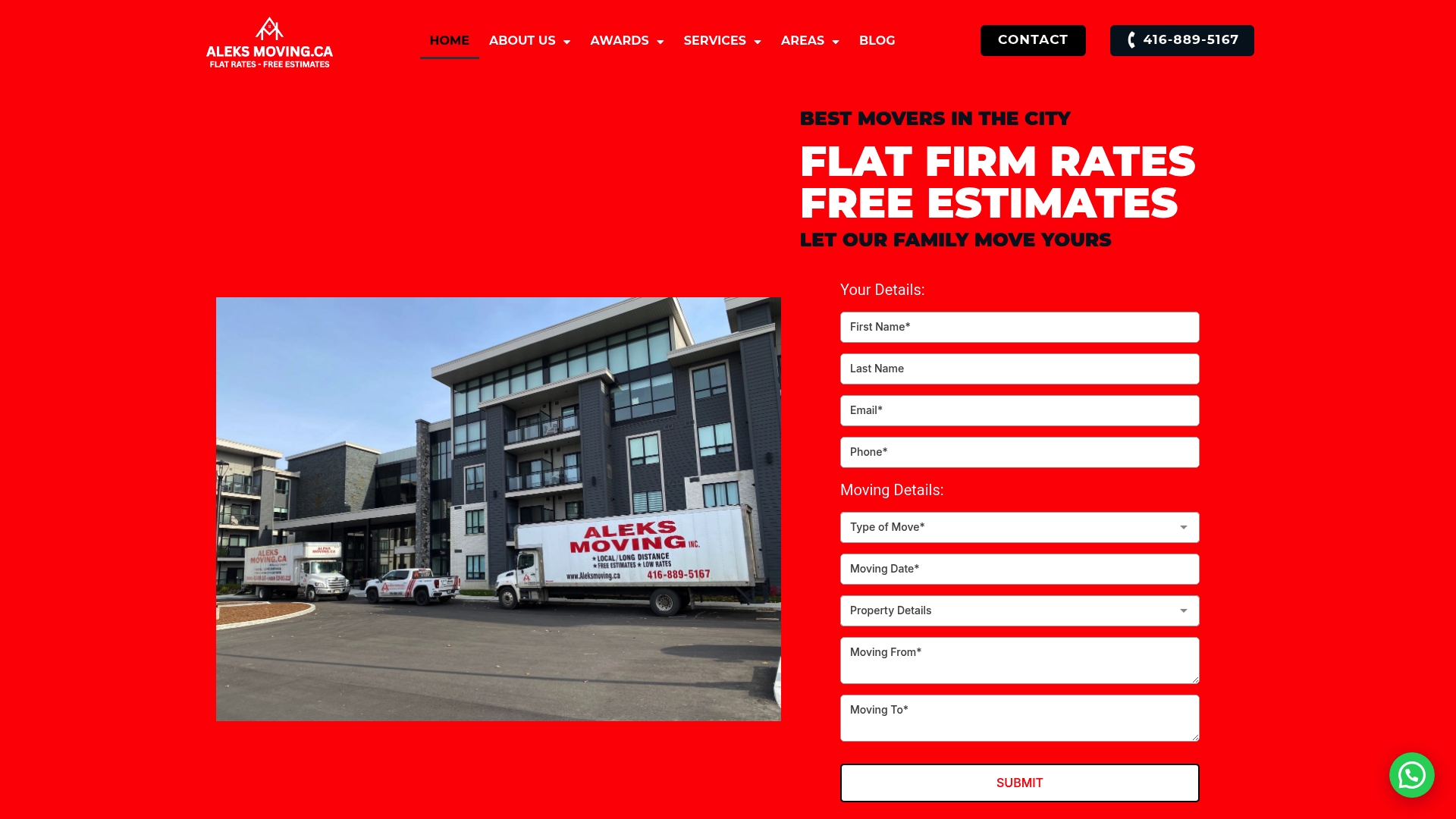
Whether you are moving a home full of valuables or relocating an entire office, Aleksmoving’s flat-rate pricing means no surprises on moving day. Our team handles everything from residential moves to complex office and commercial relocations, with the same commitment to protecting your assets throughout. Contact Aleksmoving today for a free upfront quote and find out how we can make your next move secure and straightforward.
FAQ
What is the role of movers in asset protection?
Professional movers protect assets through specialized packing, chain-of-custody protocols, valuation coverage, and detailed inventory management. Their role combines physical safeguards with risk management and legal accountability during transit.
What is the difference between released value and full value protection?
Released value protection reimburses based on item weight, while full value protection covers the actual cost of repair or replacement. Full value protection is the industry’s gold standard for protecting high-value assets.
Should I buy separate insurance for a move?
For antiques, fine art, or high-value electronics, third-party all-risk insurance fills coverage gaps that mover valuation policies cannot address. Contact your home or business insurer about a short-term rider before your move date.
How do tamper-evident seals protect assets during a move?
Numbered tamper-evident seals create a chain-of-custody record for every box. A broken seal indicates possible tampering or theft, giving clients clear evidence if a dispute arises after delivery.
How early should I involve my mover in the planning process?
Bringing your mover into the planning phase at least two weeks before moving day allows time to arrange climate-controlled transport, custom crating, secure staging zones, and detailed inventory tracking for the best protection outcomes.