Skip to content


TL;DR:
- Reusing packing materials conserves resources and energy by avoiding the need for recycling and manufacturing.
- It is most effective when boxes are inspected for strength and cleanliness, and used only for lightweight, durable items.
Reusing packing materials is defined as giving boxes, bubble wrap, paper, and other supplies a second life rather than sending them to recycling or landfill. The waste hierarchy places reuse above recycling for good reason: reuse conserves the energy and resources that went into making the material in the first place. Recycling still requires processing, water, and energy. Reuse skips all of that. For anyone planning a move across Ontario, understanding why reuse packing materials matters is the difference between a costly, wasteful process and a genuinely sustainable one. This guide covers the environmental case, the practical rules, the cost savings, and the creative options that make reuse the right first choice.
Why is reusing packing materials better for the environment than recycling?
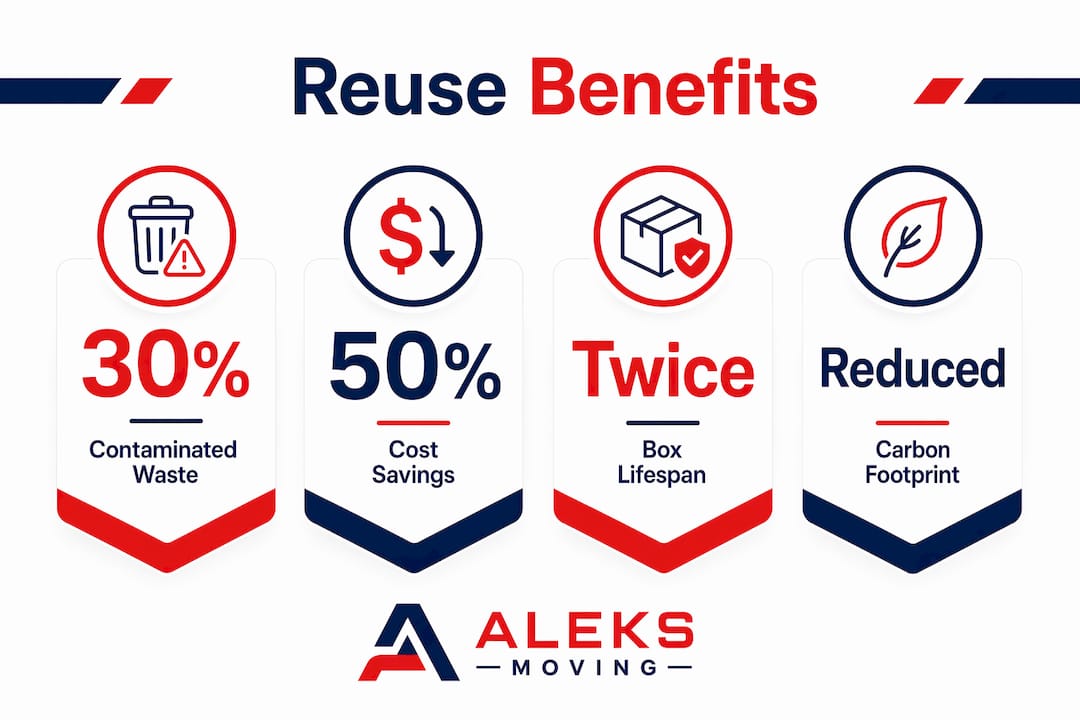
Reuse beats recycling on almost every environmental measure. The core reason is contamination. Up to 30% of cardboard collected for recycling is contaminated by tape, labels, food residue, or liquid. That contaminated material cannot be processed and ends up in landfill anyway. Reusing a clean, dry box sidesteps the contamination problem entirely.
Lifecycle assessments confirm the advantage. Reusable plastic containers carry a higher environmental footprint on their first use compared to single-use corrugated boxes. After the second use cycle, however, they outperform single-use options on energy, water, and greenhouse gas measures. That break-even point arrives quickly for anyone who moves regularly or ships goods frequently.
For large-scale or commercial applications, the numbers are even more compelling. Reusable packaging becomes competitive with recyclable alternatives when used 45–70 times, or when its weight is reduced to 9–11 kg for large appliance shipping. This shows that the environmental benefit of reuse scales with frequency of use, not just intention.
Reuse networks have collectively saved over 17,000 tonnes of CO₂ compared with recycling the same materials. That figure represents a measurable, real-world outcome, not a theoretical projection.
The carbon savings from reuse come from avoided manufacturing. Every time a box makes a second trip, the energy used to produce a new one is saved. Choosing eco-friendly moving practices compounds this benefit across an entire move.
What practical factors determine when and how to reuse packing materials safely?
Reuse only works when the material is genuinely fit for purpose. A box that looks fine on the outside can have weakened corners or compromised seams that collapse under load. The inspection step is not optional.
Before reusing any box or packing supply, check for these conditions:
- Structural integrity: Press the corners and base firmly. Any give or crumpling means the box has lost its load-bearing capacity.
- Cleanliness and dryness: Moisture causes mould and weakens cardboard fibres. Reject any box with water stains, soft spots, or an earthy smell.
- Seal quality: Old tape leaves residue that prevents new tape from bonding properly. If the flaps do not close flat and seal cleanly, the box is not safe to reuse.
- Previous contents: Boxes that held food, chemicals, or liquids carry contamination risk. Do not reuse them for household goods.
- Size and weight match: A box rated for light loads should not carry books or tools, regardless of how good it looks.
Moving experts recommend buying new double-wall cartons for heavy, fragile, or high-value items and for long-term storage. Reused boxes are best suited to light, durable goods such as linens, clothing, and non-breakable kitchenware.
Pro Tip: Label every reused box with its previous use and current contents. This prevents confusion on moving day and helps you spot any boxes that have been through too many cycles.
The main operational risk in reusing boxes is a collapse mid-move, which can damage goods and cause delays. Reuse should focus on low-value, light items while new boxes handle fragile or heavy goods. That division of labour keeps costs down without adding risk. Proper storage between uses matters too. Stack boxes flat in a dry, ventilated space. Avoid damp garages or basements where moisture and pests can degrade materials quickly.
How does reusing packing materials save money during moving or storage?
The cost case for reuse is direct. Used boxes cost up to 50% less than new ones when they are in good condition. For a typical household move requiring 30 to 50 boxes, that saving adds up to a meaningful reduction in total moving costs.
The savings extend beyond box prices:
- Reduced purchasing volume: Reusing bubble wrap, packing paper, and foam inserts means buying fewer new supplies overall.
- Lower disposal costs: Materials you reuse do not need to go to a recycling depot or waste facility, which can carry fees.
- Resale or donation value: Unused packing materials in good condition can be sold or donated after a move, recovering some of their original cost.
- Procurement alignment: Treating reuse as a deliberate procurement decision, rather than an afterthought, reduces the total spend on each move.
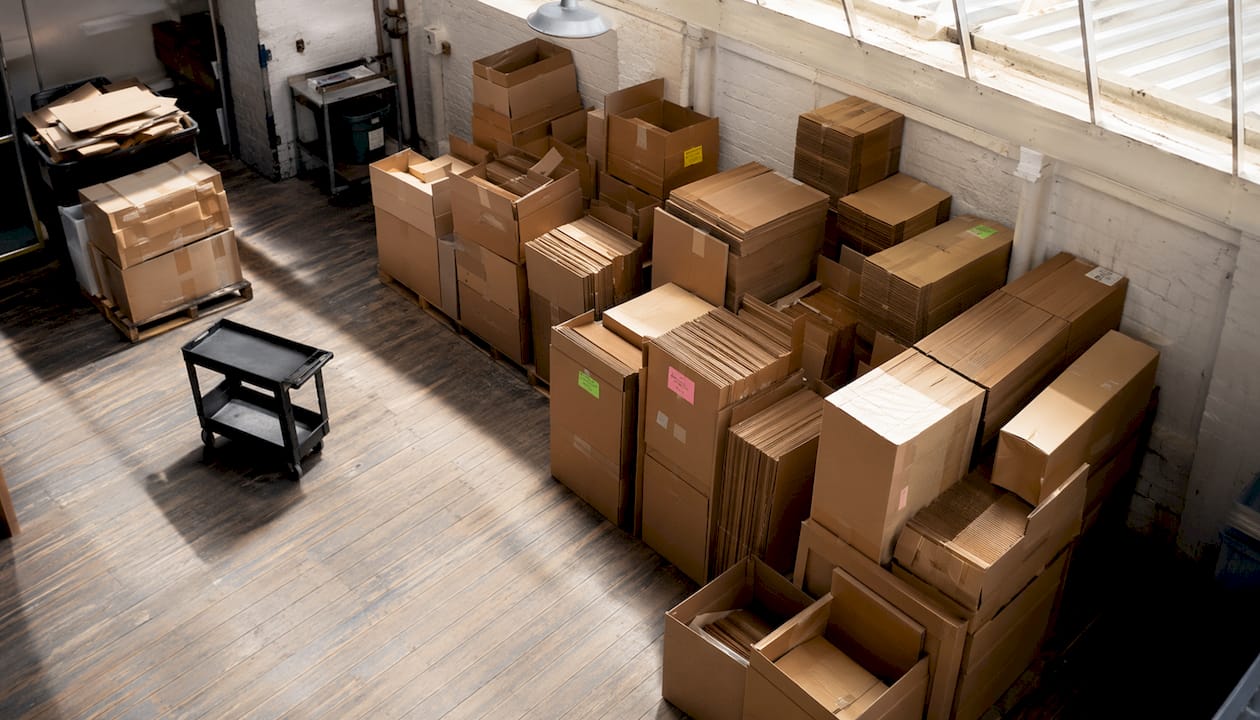
Sourcing reused boxes before a move is straightforward. Liquor stores, bookshops, and grocery retailers regularly set aside clean, sturdy boxes. Online community boards often list free boxes from recent movers. The guide on where to get cardboard boxes covers the most reliable local sources across Ontario.
The financial benefit of reuse also connects to sustainability goals. Choosing reused materials reduces the demand for new production, which lowers the embedded cost of resources and energy in your move. That is a real saving, even if it does not show up directly on a receipt.
What are creative and effective ways to reuse common packing materials beyond moving?
Packing materials have a useful life well beyond a single move. The most common supplies, including bubble wrap, cardboard, and packing paper, all have practical second uses that keep them out of the waste stream.
- Bubble wrap for home storage: Wrap fragile seasonal items such as ornaments, picture frames, and ceramics before storing them. Bubble wrap protects against dust and impact without any additional cost.
- Cardboard as a garden weed barrier: Lay flattened cardboard sheets directly on garden beds before adding mulch. The cardboard suppresses weeds, retains moisture, and breaks down naturally over one growing season.
- Packing paper for crafts and padding: Unprinted packing paper works as wrapping paper, craft paper for children, or drawer liners. It is also useful for protecting surfaces during painting or renovation work.
- Cardboard for storage organisation: Cut and fold cardboard into drawer dividers, shelf inserts, or small storage trays. This costs nothing and keeps household items sorted.
- Donate to local community groups: Schools, community centres, and theatre groups regularly need cardboard and packing materials for projects and sets. Donating extends the material’s life and supports local organisations.
Pro Tip: Bubble wrap and shrink wrap cannot go into curbside recycling because they jam sorting machinery. Take them to a designated plastic film drop-off location, or reuse them until they are no longer serviceable.
Many movers do not realise that customers often confuse recyclable and reusable materials. Plastic films and bubble wrap look recyclable but require specialist handling. Reusing them as long as possible is the better environmental choice. When they are genuinely spent, a plastic film drop-off programme, available at many Canadian grocery and hardware retailers, is the correct disposal route. The plastic waste challenge extends well beyond moving, and developing a habit of reuse before disposal makes a lasting difference.
Key takeaways
Reusing packing materials is the most effective way to reduce moving costs and environmental impact at the same time, because it avoids both the energy cost of new production and the contamination problems that limit recycling.
| Point | Details |
|---|---|
| Reuse outperforms recycling | Up to 30% of recycled cardboard is contaminated and cannot be processed; reuse avoids this entirely. |
| Inspect before reusing | Check every box for structural strength, dryness, and clean seams before trusting it with your goods. |
| Cost savings are real | Reused boxes cost up to 50% less than new ones, reducing total moving expenses significantly. |
| Know when to buy new | Use new double-wall cartons for heavy, fragile, or high-value items where box failure carries real risk. |
| Extend material life creatively | Bubble wrap, cardboard, and packing paper all have practical uses in home storage, gardening, and crafts. |
What I have learned from years of watching movers cut corners
The most common mistake I see is treating reuse as an all-or-nothing decision. Movers either buy everything new, which wastes money, or they reuse everything indiscriminately, which leads to damaged goods and unexpected costs. The right approach is selective. Reuse confidently for light, durable items. Buy new for anything fragile, heavy, or genuinely irreplaceable.
The second mistake is skipping the inspection. A box that survived one move is not automatically fit for another. Cardboard loses stiffness each time it gets wet and dries out, even slightly. I have seen boxes that looked perfectly fine collapse under a modest load because the fibres had degraded from a single damp storage period.
The third mistake is ignoring the planning side. Reuse works best when you collect materials in advance, store them properly, and sort them by condition before packing day. Movers who grab whatever is available the night before a move end up with a mixed bag of compromised boxes and no time to replace them. Proper packing, as covered in the guide on safe packing practices, starts well before the boxes come out.
Sustainable packing is not complicated. It requires a bit of planning, honest assessment of what you have, and the discipline to replace materials that are no longer fit for purpose. That combination protects your belongings and your budget.
— Ali
Moving with Aleksmoving: professional packing that respects your budget
Aleksmoving has helped Ontario residents and businesses relocate for over 18 years. Part of that experience is knowing how to pack efficiently, which means using the right materials for each item and not wasting supplies that still have life in them.
Our team advises clients on reuse opportunities before every move, helping reduce the volume of new materials needed and the cost of the overall job. For items that require new packaging, we use appropriate cartons and protective supplies so nothing arrives damaged. Whether you are moving a one-bedroom apartment or a full office, our professional moving services are built around flat-rate pricing with no hidden fees. Get a free quote and find out how we can make your next move straightforward and cost-effective.
FAQ
Why is reuse better than recycling for cardboard boxes?
Reuse avoids the contamination problem that affects recycling. Up to 30% of recycled cardboard is contaminated by tape, labels, or residue and cannot be processed, making reuse the more reliable environmental choice.
How do I know if a box is safe to reuse?
A box is safe to reuse if it is clean, dry, structurally sound, and can seal properly with new tape. Damaged or weakened boxes risk collapsing under load, which can damage your goods and delay your move.
Can bubble wrap go in the recycling bin?
Bubble wrap cannot go in curbside recycling because it jams sorting machinery. Take it to a plastic film drop-off location, or reuse it for home storage until it is no longer serviceable.
How much money can I save by reusing boxes?
Reused boxes in good condition cost up to 50% less than new ones. For a typical household move requiring 30 to 50 boxes, that saving reduces your total packing material costs considerably.
When should I buy new boxes instead of reusing?
Buy new double-wall cartons for heavy items, fragile goods, and anything of high value. Moving experts advise new boxes for long-term storage as well, since reused boxes carry a higher risk of failure over time.